Business
Addressing India's agricultural challenges amid rice glut and pulse imports
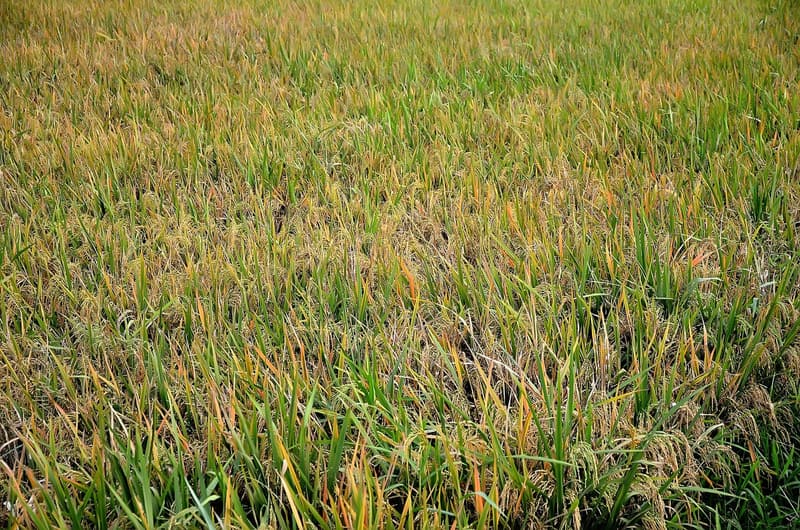
Representative photo · Photo: Augustus Binu : flickr : Instagram / Wikimedia Commons, CC BY-SA 3.0
Representative photo · Photo: Augustus Binu : flickr : Instagram / Wikimedia Commons, CC BY-SA 3.0
Experts and leaders discuss India's agricultural challenges, examining why the nation faces a rice glut while continuing to import pulses.
Addressing the challenges of Indian agriculture requires more than just convincing farmers to adopt new methods, as discussions at the Kisan Tak Bharat Agriculture Conference revealed. Prime Minister Narendra Modi spoke on crop diversification and smart farming, noting that farmers tend to follow the practices of their neighbours rather than accepting changes based solely on speeches. While Modi emphasised the need to visibly demonstrate the benefits of new practices, agricultural economist Ashok Gulati highlighted the economic and policy framework that shapes farming decisions. During a panel discussion, Gulati questioned why India continues to import millions of tonnes of pulses annually despite being the world's largest rice exporter and holding surplus rice stocks.
Gulati pointed out that current agricultural incentives favour crops like rice and sugarcane through extensive fertiliser subsidies, whereas pulses are nitrogen-fixing crops needing less support. He suggested offering an incentive of Rs 35,000 per hectare for farmers growing pulses to help India achieve self-reliance within three years. Additionally, he questioned the economic logic of using surplus rice to produce ethanol when manufacturing a litre requires rice costing the Food Corporation of India around Rs 150, while the ethanol is priced at about Rs 70. Beyond production choices, Gulati addressed value chain issues, noting that higher output does not always guarantee better farmer incomes. Vegetable growers often face extreme price crashes during surpluses, receiving only a small fraction of what consumers pay, largely due to underdeveloped food processing and a lack of cooperative structures similar to the dairy sector's Amul model.
Agricultural policies and market structures must change to encourage crop diversification and protect farmer incomes.
These discussions highlight critical policy gaps affecting agricultural incentives, crop diversification, and farmers' earnings across India. Rethinking subsidies, improving food processing, and strengthening cooperative models could significantly impact rural economies and national food security.