Andy Burnham Government Confirms New Pay-Per-Mile Tax for Electric Vehicles
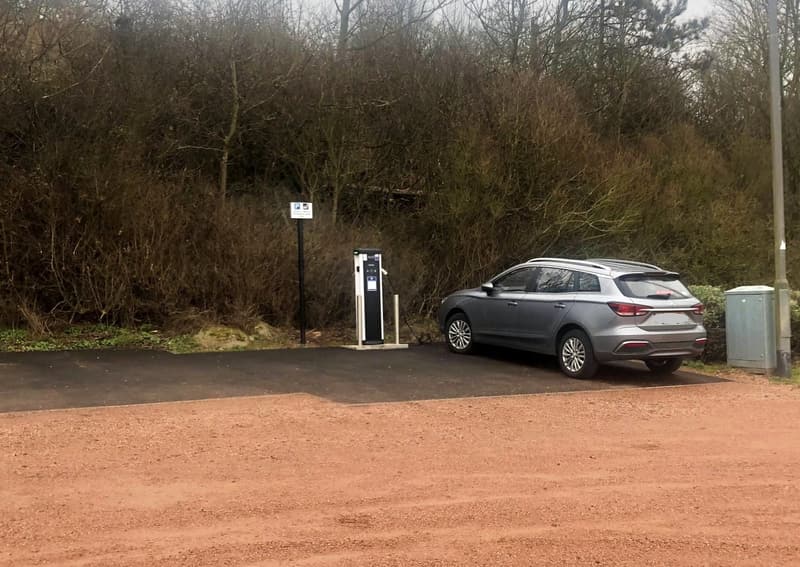
Representative photo · Photo: Bill Kasman / Wikimedia Commons, CC BY-SA 2.0
Drivers of electric vehicles and plug-in hybrids will face a new pay-per-mile tax starting in April 2028 under the Andy Burnham government.
Motorists driving certain models will soon face additional bills running into hundreds of pounds based on their annual mileage. The upcoming pay-per-mile levy was initially announced by Rachel Reeves and will proceed under the current administration, impacting owners of electric vehicles and plug-in hybrids.
According to the RAC, a new Electric Vehicle Excise Duty system is scheduled for introduction from April 2028. Fully electric cars will be charged at a rate of 3p per mile, while plug-in hybrid drivers will pay 1.5p per mile. Rates for both vehicle types are set to rise with inflation beginning in 2029.
Drivers covering 10,000 miles annually will face a charge of £300 under these rates. Many motorists travel significantly greater distances over the course of a year, particularly those who rely on personal transport for professional duties or reside in rural regions with limited access to public transportation networks.
Electric vehicle and plug-in hybrid drivers will face a new per-mile tax starting in April 2028.
Petrol and diesel motorists already contribute based on travel distance through existing fuel duty mechanisms. The administration is implementing this distance-based taxation scheme to address declining revenue streams as an increasing number of motorists transition away from traditional combustion engines.
However, industry experts have raised concerns that additional levies may create unnecessary hurdles for consumers considering sustainable vehicle purchases. The new framework will encompass both newly registered and existing electric cars, plug-in hybrids, hydrogen fuel-cell vehicles at the electric rate, and range-extender models at the hybrid rate. Electric commercial vans, buses, coaches, heavy goods vehicles, and select specialist transport options will initially remain exempt. When renewing their vehicle duty, motorists must supply current odometer readings alongside estimated travel distances for the upcoming year.
Why it matters
The implementation of a distance-based tax shifts how vehicle taxation operates for owners of electric and hybrid models, directly impacting running costs for everyday drivers and rural communities.
This policy change aims to offset falling national fuel duty revenue as the public shifts toward electric vehicles, though it introduces new financial considerations for vehicle owners.
Sources
More like this

Massive Prague Protest Expected Over Government Plans to Alter Public Media Funding

Cape Verde Holds Presidential Polls Today With First Female Contender

The French Republic’s Forgotten Promise of Equality