
Budget 2027: FICCI Proposes Zero LTCG Tax for Holding Shares Over Three Years
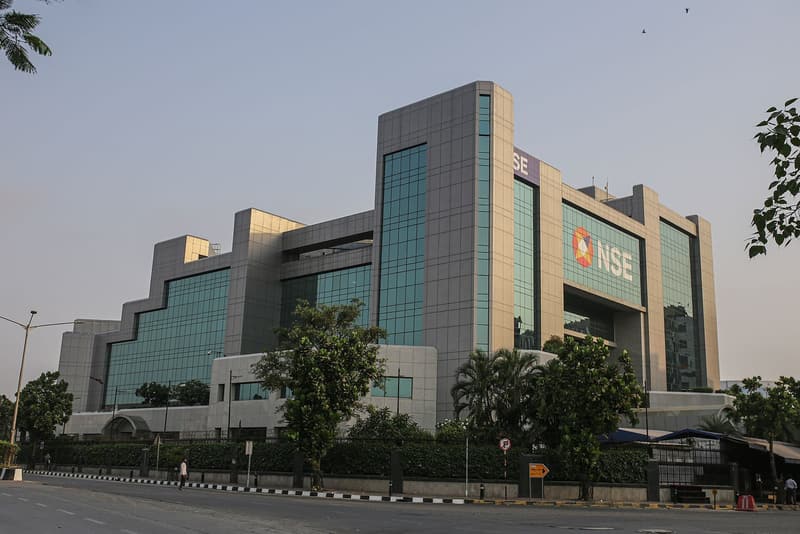
Representative photo · Photo: 312user / Wikimedia Commons, CC BY-SA 4.0
Industry body FICCI has proposed zero long-term capital gains tax for listed shares held beyond three years ahead of Union Budget 2027-28.
This is news, not investment advice. NexVani Media is not a SEBI-registered investment adviser and does not recommend buying or selling any security. Do your own research or consult a registered adviser before investing.
Stock market investors could experience significant modifications to long-term capital gains taxation if authorities accept recent industry submissions prior to Union Budget 2027-28. The Federation of Indian Chambers of Commerce and Industry has suggested eliminating the LTCG levy on listed equities or implementing a graded framework that lowers the tax rate to zero for assets retained past three years. Finance Minister Nirmala Sitharaman faces competing perspectives regarding equity taxation, with market participants requesting concessions while economists have reportedly advised preserving the current tax framework to safeguard public revenue.
During pre-Budget discussions, FICCI recommended reinstating the capital gains exemption that functioned when the Securities Transaction Tax was introduced in 2004. The organization presented two alternatives to the existing system. The primary recommendation involves removing the LTCG tax on listed securities while raising the STT on delivery transactions to compensate for government revenue reduction. Alternatively, a graded schedule would impose ten percent tax for holdings between one and two years, five percent for two to three years, and zero for durations exceeding three years. Proponents argue this structure encourages extended investments and supports industrial expansion.
FICCI has proposed abolishing LTCG tax on listed shares held beyond three years.
Presently, long-term capital gains up to ₹1.25 lakh annually from listed equities and equity-oriented mutual funds remain tax-free under Section 112A, while amounts exceeding that limit face a 12.5 percent tax plus applicable surcharge and cess. Analysts at Jefferies calculated that equity LTCG collections reached ₹1.3 lakh crore in fiscal year 2025, representing a substantial revenue stream. Conversely, SBI Research projects collections might decrease to ₹40,000 to ₹50,000 crore by fiscal year 2027. Meanwhile, foreign portfolio investors have requested tax concessions, and FICCI suggested allowing overseas investors to compute gains in their original investment currency to minimize exchange-rate impacts.
Why it matters
Potential revisions to capital gains taxation could directly alter the financial liabilities of domestic and foreign investors participating in Indian equity markets. While industry advocates argue that lower taxation stimulates long-term capital formation and improves market sentiment, economists emphasize the importance of preserving fiscal discipline and government revenue stability.
These prospective budgetary decisions affect market participants across India by reshaping the net returns on equity investments and influencing broader capital flows into the national economy.
Sources
More like this

Silver rate today drops in futures trade as prices decline across markets

India Attracts Global Investors Amid Earnings Recovery

Snap Shares Fall Amid Tech Sector Sell-Off and Lawsuit Concerns
