Cost of Living Protests Sweep Europe as Demonstrations Hit Germany and France
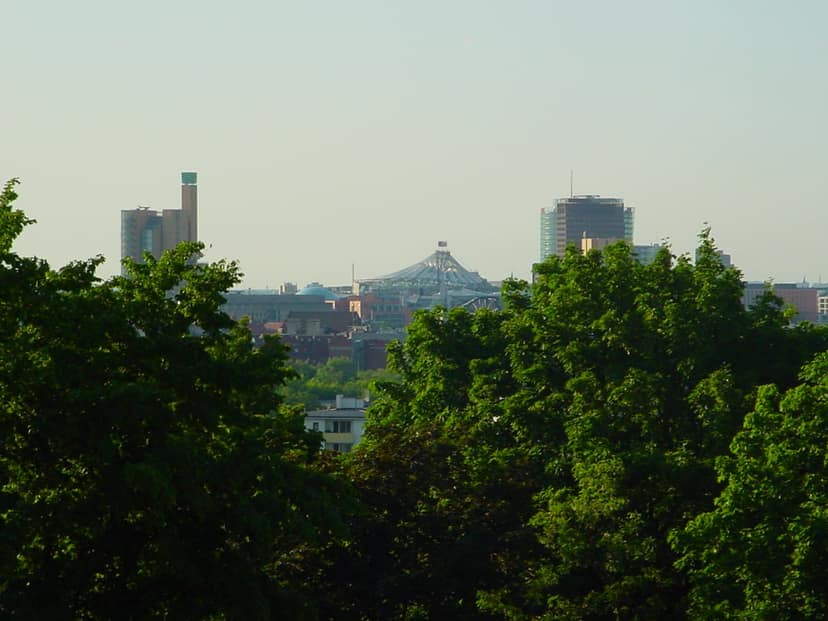
Representative photo · Photo: User:Angr / Wikimedia Commons, CC BY-SA 2.5
Street protests over the cost of living and poor public services are set to expand into Germany and return to France amid heavy police deployments.
Across Europe, demonstrations regarding the cost of living have prompted authorities in multiple countries to deploy large numbers of police officers ahead of weekend rallies. Activists have called for citizens to express their dissatisfaction regarding deficient public services, including housing and education, following weeks of student-led unrest in nations such as Spain, Portugal, Italy, Albania, and France.
In Germany, a coalition known as Gen Z regelt organised demonstrations across more than 30 cities. The group demands increased funding for housing, climate protection, and schools, while opposing any potential reinstatement of mandatory military service. Organisers have urged participants to maintain peaceful behaviour, and website registrations exceeded 160,000 prior to the events. Conversely, the federal pupils’ conference distanced itself from the demonstrations, citing unpredictable organisational structures, and announced a separate event for November.
German political figures expressed differing views on the youth-led movement. Alexander Throm of the Christian Democratic Union emphasised the need to prevent disorderly scenes, whereas Felix Banaszak of the Green party cautioned against preemptively criminalising the protesters. Meanwhile, Berlin police planned to deploy 1,500 additional officers, noting an absence of concrete evidence indicating planned looting.
Massive European cost of living protests prompt heavy security deployments in Germany and France.
In France, Interior Minister Laurent Nuñez designated Saturday as a high-risk period, deploying 70,000 police and gendarmes. Authorities anticipate that the primary threats to public order will emerge after mainstream cost-of-living demonstrations conclude, driven by calls from radical groups and labour movements for evening gatherings. Authorities prohibited several central marches in Paris, restricting demonstrations to designated alternative routes.
Student groups, trade unions, and the gilets jaunes movement continue to demand better learning conditions, higher wages, and improved public infrastructure. Government concessions, including university admissions platform reforms and school renovation loans, were deemed insufficient by student representatives.
Why it matters These widespread demonstrations affect citizens across Europe by highlighting growing public dissatisfaction with deteriorating social services and economic pressures. The unfolding events demonstrate how youth and labour movements are increasingly mobilising across national borders to challenge government spending priorities in education and housing.
Sources
More like this
G20 Family Photo Cancelled After European Pushback Over Russian Minister
Charges Dropped Against Man Arrested Over Ohio Festival Shooting
Evacuations begin in besieged Ukrainian city of Oleshky under rare ceasefire