Researchers Warn Domestic Violence Perpetrators Use Smart Car Features to Abuse
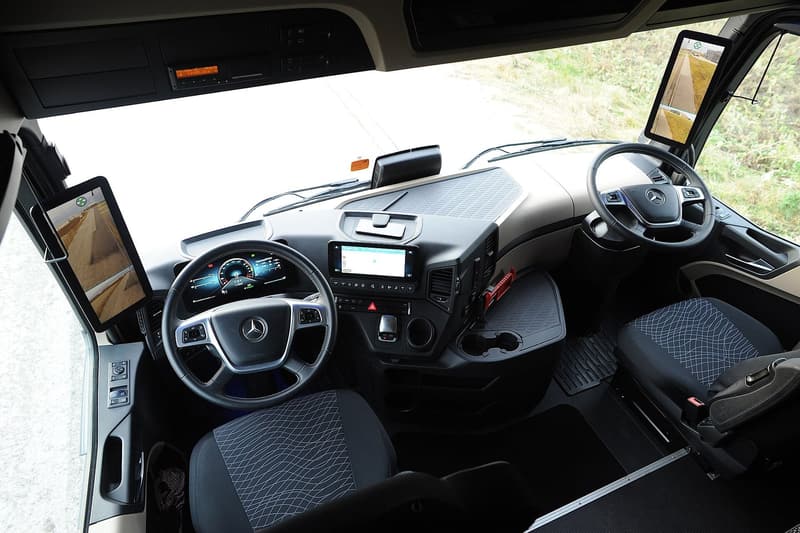
Representative photo · Photo: KoeppiK / Wikimedia Commons, CC BY-SA 4.0
A new report highlights how connected car technologies, including tracking and remote access, are being weaponized by abusers to monitor and control their victims.
A concerning report from the University of New South Wales has shed light on how modern vehicle technology is being exploited to facilitate domestic violence. Researchers found that smart car functions, often marketed for convenience and safety, are increasingly being used by perpetrators to track, harass, and control their partners. This emerging issue, which relates to the broader, critical conversation surrounding domestic violence, highlights how digital connectivity can inadvertently create new avenues for harm.
The Risks of Connected Vehicles
The study analyzed 15 major car brands and found that features like real-time geolocation, remote engine starting, and digital key access are prevalent across the market. Researchers identified three primary ways these tools are misused: the abuser owning the car account, being granted access as a secondary user, or impersonating a victim to create an account. For instance, one case in Australia involved a man using a connected app to restrict his former partner’s driving speed to 40km/h, while in the US, a woman struggled to remove her ex-husband’s digital access to her vehicle.
Smart car features are being weaponized by abusers to track and control victims of domestic violence.
Geolocation tools, advertised by every brand studied, allow for real-time tracking. Furthermore, 60% of brands offer 'zone exit alerts,' which can be used to monitor if a victim leaves a specific area. Researchers warned that these functions, while intended for security or monitoring young drivers, can effectively trap victims or prevent them from escaping unsafe situations. Co-author Katharine Kemp emphasized the urgent need for manufacturers to adopt 'safety by design' principles, ensuring that potential misuse is considered during the initial development phases of both software and hardware.
Why it matters
The report underscores a significant gap in accountability for car manufacturers regarding the potential for technology-facilitated abuse. With over 90% of new cars in Australia expected to have embedded connectivity by 2031, experts warn that this problem could escalate rapidly if industry safeguards are not improved.
This issue affects victim-survivors globally as vehicle connectivity becomes standard. Governments are beginning to examine how to regulate these smart devices to prevent them from becoming tools for coercive control, as frontline workers continue to report an increase in cases where cars are used to monitor and intimidate individuals.
Sources
More like this

UN chief calls for global framework to manage artificial intelligence risks

US to blacklist Asian AI firm Megaspeed after Nvidia scandal
US States Sue SpaceX Over Grok AI Tool