Don't lecture India: Meloni ally slams Italian socialist over 'vote chor' remark
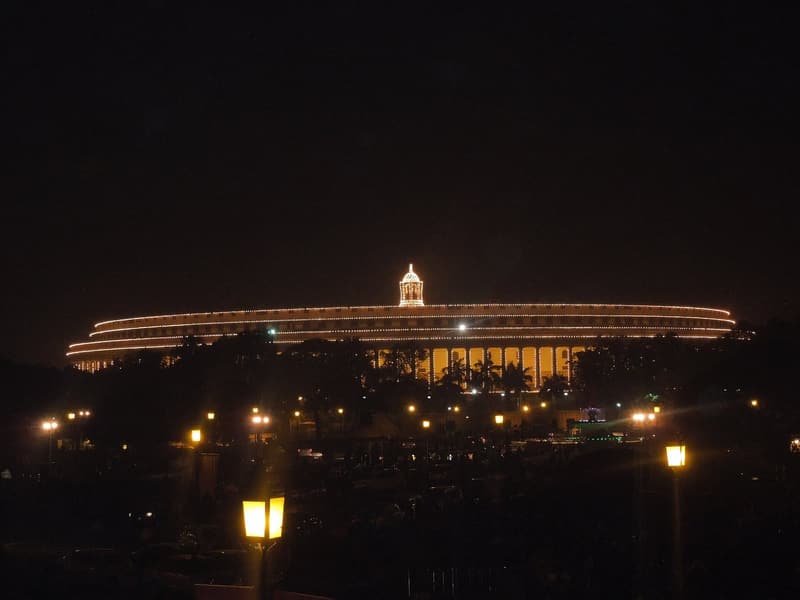
Representative photo · Photo: Sidheeq / Wikimedia Commons, CC BY-SA 4.0
Forza Italia leader Deborah Bergamini has rebuked Italian socialist Giacomo Filibeck for using a Congress party slogan to criticize India's democratic processes.
A prominent political clash has emerged between Italian officials regarding the discourse surrounding Indian democracy. Forza Italia leader Deborah Bergamini has publicly criticized Italian socialist Giacomo Filibeck after he echoed the "Vote Chor, Gaddi Chhod" slogan, a phrase often associated with the Indian National Congress. For those wondering why some might say "don't India" in a dismissive tone, Bergamini emphasized that European figures should refrain from lecturing India on its internal democratic affairs.
Don't India my democracy
The controversy stems from Filibeck's decision to adopt rhetoric used by the Indian opposition, which Bergamini argues is an inappropriate interference in the political landscape of a sovereign nation. By aligning with specific political slogans from abroad, the socialist leader has drawn the ire of the Forza Italia representative, who maintains that India's democratic systems are not for European politicians to critique or characterize through the lens of foreign partisan slogans.
European leaders should respect India's democratic sovereignty instead of adopting partisan slogans from local opposition parties.
Bergamini’s intervention serves as a firm reminder of the diplomatic boundaries between European political factions and the domestic politics of India. Her stance highlights a growing sensitivity among certain European leaders regarding how their counterparts interact with the political narratives of other global powers. By rejecting the legitimacy of Filibeck's commentary, the Forza Italia leader is signaling a preference for non-interference in the internal electoral debates of India.
Why it matters
This incident highlights the friction that occurs when domestic political slogans are co-opted by international figures, potentially complicating diplomatic relations. For readers in India and South Asia, it underscores how regional political rhetoric is increasingly being observed and sometimes weaponized on the global stage.
This exchange serves as a reminder that political discourse within India is being closely monitored by European counterparts, leading to public disagreements that can influence how international alliances perceive the stability and health of Indian democratic institutions.
Sources
More like this

Australian MP Helen Haines leaves hospital after alleged attack

Independent MP Helen Haines leaves hospital after alleged attack

Czech Rally in Prague Against Government Plans for Public Media