Foreign Institutional Investors Return To Indian Equities
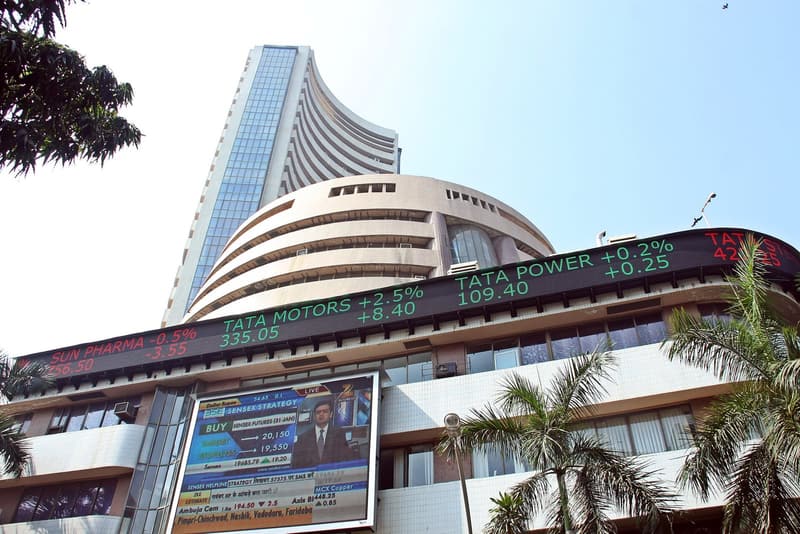
Representative photo · Photo: BSEINDIA / Wikimedia Commons, CC BY-SA 3.0
Foreign institutional investors have poured Rs 84,290 crore into Indian equities during the first fortnight of November, following months of sustained outflows.
This is news, not investment advice. NexVani Media is not a SEBI-registered investment adviser and does not recommend buying or selling any security. Do your own research or consult a registered adviser before investing.
Foreign institutional investors have staged a significant return to the Indian stock market, pumping in Rs 84,290 crore during the first fortnight of November. This follows substantial net outflows of Rs 34,843 crore in October and Rs 35,861 crore in September, which had raised questions about why fiis are selling in indian market conditions over the previous months.
According to business economist Sanchita Mukherji, this influx suggests overseas investors are reassessing India's relative attractiveness. Key drivers include the unwinding of crowded global AI-related trades, softer crude oil prices that support macroeconomic fundamentals, and more appealing valuations in select large-cap stocks following recent market corrections. However, Mukherji noted that part of this activity may represent tactical portfolio repositioning rather than a permanent structural change, emphasizing the importance of long-term patient capital over volatile short-term funds.
Feroze Azeez, Joint CEO of Anand Rathi Wealth Limited, pointed out that discussions regarding potential reductions in long-term capital gains tax, easing geopolitical tensions, and the upcoming MSCI index rebalancing have also strengthened sentiment. The November review by MSCI includes the addition of four Indian companies to its global standard index and increased weights for eleven others, anticipated to attract passive inflows between $1.4 billion and $1.7 billion.
Foreign institutional investors pumped Rs 84,290 crore into Indian equities in November's first fortnight.
Market resilience has additionally been supported by domestic institutional participation through mutual fund systematic investment plans and domestic savings, which have counterbalanced global capital flow volatility.
Why it matters
The resumption of foreign inflows alters liquidity dynamics in the domestic market, providing a substantial boost after months of heavy selling. This shift affects investors and market participants across India by influencing equity valuations and currency stability, while highlighting the growing cushioning role played by domestic institutional investors.
Sources
More like this

Snap Shares Fall Amid Tech Sector Sell-Off and Lawsuit Concerns

Stallion India Fluorochemicals Q2 Revenue Rises to Rs136 Crore

Understanding Market Valuation and the Prediction of a Stock Market Crash