Comparing Gen Z and Baby Boomers: Are Young People Facing a Bleaker Future?
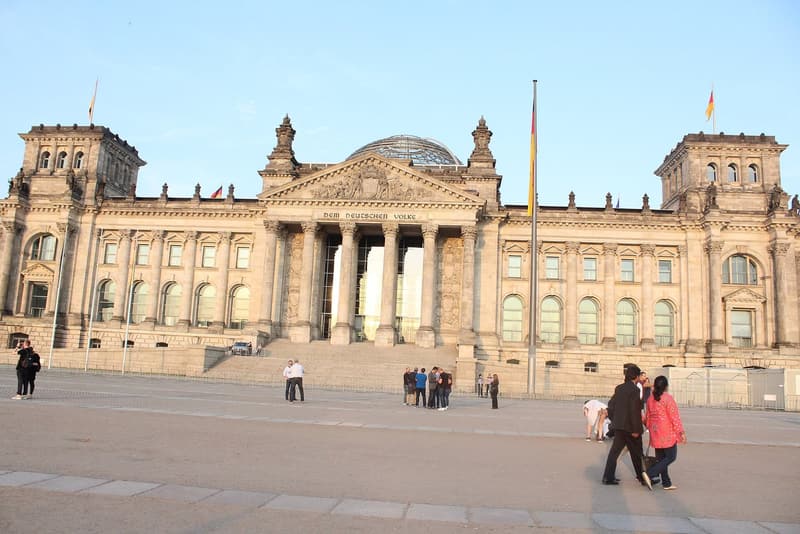
Representative photo · Photo: Sami Mlouhi / Wikimedia Commons, CC BY-SA 4.0
As young people protest across Europe, data suggests Gen Z and Baby Boomers face distinct challenges regarding pensions, housing, and the climate.
Young people across Germany and Europe are increasingly taking to the streets to voice concerns over their future. As debates intensify regarding the differences between Gen Z and Baby Boomers, researchers are examining whether current generations truly face greater hardships than those who came before them. According to youth researcher Simon Schnetzer, the core issue is whether the current system provides the necessary conditions for young people to live and work with confidence.
The Pension Gap
Statistical data highlights a significant shift in the demographic burden. In 1957, there were 3.73 contributors for every retiree in Germany; by 2025, that number fell to 2.1. Projections suggest this will drop to 1.73 by 2045, meaning 35.35 million workers will support 16.82 million retirees. To maintain stability, the government currently subsidizes the pension system with approximately €118 billion annually, representing about 25% of the federal budget. Simultaneously, the number of retirees requiring basic income support has surged from 257,000 in 2003 to 738,000 in 2024.
Demographic shifts and economic pressures are forcing a reevaluation of generational prosperity and social funding.
Housing and Education Challenges
Rising rents have placed a heavy burden on low-income households. Data from the German Institute for Economic Research indicates that the share of income spent on rent by these households rose from 24% in 1990 to 36% in 2021. While 11% of the population now spends over 40% of their income on housing, some analysts suggest that the 4.8 million homes currently owned by Boomers could eventually increase supply and lower prices as these properties change hands.
In education, public spending per person under 30 has doubled since 2011 to roughly €8,000 annually. However, Germany remains below the OECD average for education spending as a percentage of GDP. Furthermore, the system faces a looming shortage of approximately 27,000 teachers by 2035, driven by retirements and declining birth rates.
Climate and Future Prospects
The climate crisis remains a defining concern. Current policies put the world on track for 2.6°C of warming by century's end. Studies suggest that children born today could experience heatwaves two to seven times more frequently than Boomers did. The human cost is already visible, with the Robert Koch Institute estimating 16,000 heat-related deaths in Germany by mid-September 2026, primarily among those over 65.
Why it matters
Schnetzer argues that Gen Z and Baby Boomers are in the same boat and must collaborate to define sustainable goals. This shift requires a constructive process where both generations participate in defining future measures, potentially including shared sacrifices to ensure long-term prosperity.
Sources
More like this
US Envoy Jared Kushner Works to Arrange Europe-Russia Peace Talks

Fact check: Networks of 'Iranian' content farms reach millions

Denmark Supreme Court to Rule on Housing Evictions Law