Hungry Africa Journalists Face Crisis
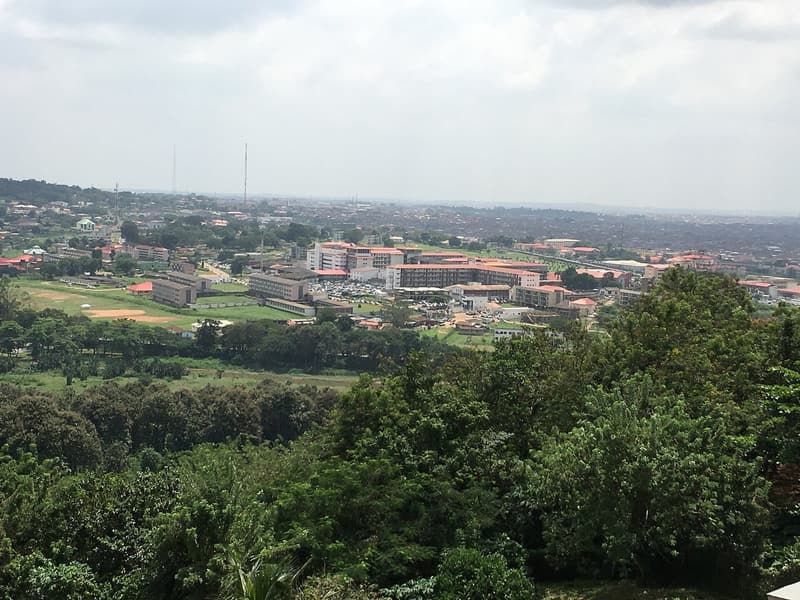
Representative photo · Photo: Babyspagetti1 / Wikimedia Commons, CC BY-SA 4.0
A continent-wide survey reveals that most African journalists struggle with unpaid work, lack of contracts, and severe safety threats.
A comprehensive continent-wide survey reveals that journalists across hungry africa face severe financial precarity, often working for months without pay, contracts, or basic workplace protections. Supported by UNESCO and carried out by the Federation of African Journalists, the study gathered responses from 1,586 journalists across 45 countries. The findings show that 61 percent of surveyed reporters earn incomes that fail to meet their basic living needs, 58 percent experience delayed salaries, and 62 percent work without written contracts.
The crisis extends far beyond delayed pay. In Central Africa, 55 percent of respondents reported salary arrears lasting three to eight months within a single year. Many media workers lack health insurance and paid leave, while freelancers remain particularly exposed to unpredictable incomes and lack social protections. Financial distress forces many to rely on side jobs, borrowed money, or outside allowances, creating vulnerabilities that undermine independent reporting and allow practices like brown envelope journalism to flourish.
Working conditions also expose reporters to immense physical and psychological dangers. Sixty-five percent of surveyed journalists experienced work-related threats or intimidation in a three-year period, and more than half rarely or never felt safe. Online harassment, digital surveillance, and gender-based violence compound these risks, especially for female reporters. Consequently, 84 percent of respondents practice self-censorship frequently or occasionally, while 44 percent reported frequent burnout and 47 percent considered leaving the profession.
Financial precarity and safety threats across Africa undermine independent journalism and the public's right to know.
## Progress and Solutions
Despite widespread challenges, several examples demonstrate how collective action and government measures can improve conditions. In Mauritania, a 2025 government decision regularised 1,860 media workers following a decades-long campaign, granting permanent contracts and benefits. Morocco secured salary increases through collective agreements, while Namibia used union registration to negotiate better settlements for retrenched staff. In Somalia, the National Union of Somali Journalists developed a national safety plan to strengthen protections.
Why it matters
The exploitation and financial precarity of journalists directly undermine independent reporting, media freedom, and the public's right to know. When reporters struggle for basic survival, investigations are abandoned, abuses escape scrutiny, and audiences are left with weaker accounts of events. Enforcing labour rights and protecting safety are essential to maintaining information integrity.
Sources
More like this

Trump, Xi and Putin meet in Shenzhen for APEC summit talks

Settler Rams Into Palestinians at Multiple Locations in Central Israel
Prosecutor Dismisses Beau Lamarre-Condon Testimony as Fanciful