India Japan Relations: Ministers Agree to Deepen Defence Ties
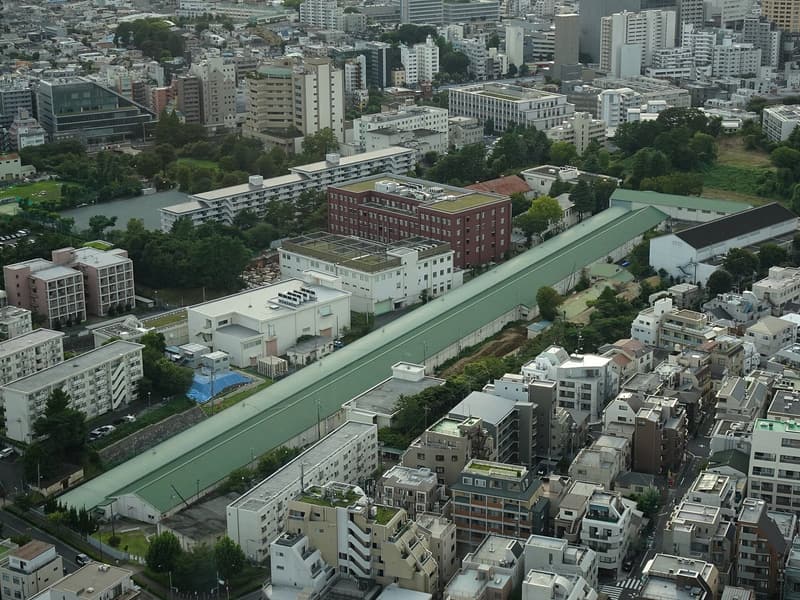
Representative photo · Photo: RuinDig/Yuki Uchida / Wikimedia Commons, CC BY 4.0
India and Japan agreed to accelerate defence technology cooperation and bolster maritime security initiatives during high-level 2+2 ministerial discussions held in Tokyo.
India and Japan have agreed to accelerate defence technology cooperation and push ahead with maritime security initiatives during high-level bilateral talks in Tokyo. At the fourth Foreign and Defence Ministers' 2+2 Dialogue on Thursday, November 19, Defence Minister Rajnath Singh and External Affairs Minister S Jaishankar met their Japanese counterparts, marking a significant step forward for India Japan relations amid rising regional and global uncertainties.
The two sides agreed to fast-track work in niche, underwater, and missile technologies while expanding operational security coordination. This includes cooperation across maritime and air domain awareness, information sharing, and search and rescue operations. Addressing the dialogue, Singh noted that discussions on ongoing cooperation concerning air and space domain awareness were also making steady progress.
Under the existing Memorandum of Agreement on maritime security cooperation, both governments agreed to move quickly to execute concrete measures and accelerate collaboration in emerging defence technologies. They decided to boost joint mine counter-measures activities and reached a consensus on the early conclusion of a reciprocal maritime ship repair arrangement. Both nations also highlighted their expectations for a swift conclusion of agreements surrounding UNICORN, a Japanese project focused on transferring and integrating advanced naval communications equipment and related technologies.
Deepening India Japan relations in defence tech
India and Japan agreed to accelerate cooperation in niche, underwater, missile technologies, and maritime security initiatives.
The ministers reviewed regional and international developments, reaffirming the necessity of resolving disputes peacefully under international law. Jaishankar observed that the meeting took place against a backdrop of multiple shocks to the global order, pointing out that two major ongoing conflicts were exerting impacts even in geographically distant areas.
Jaishankar underscored that the strategic environment across the Indo-Pacific remains complex. He emphasised that both countries, alongside their fellow Quad partners, are dedicated to maintaining a free and open region. The External Affairs Minister warned of an increasing trend toward weaponising connectivity, resources, critical services, supply chains, and market shares, noting these issues present direct implications for national security. In response, he urged nations to reinforce resilience and seek out alternative options.
Citing recent experiences in the Gulf, Jaishankar pointed to rising worries over connectivity bottlenecks and chokepoints, stressing that uninterrupted maritime trade is imperative. He added that evolving warfare trends, including the deployment of smart weaponry and innovative technologies, informed the talks and aligned with wider bilateral collaboration involving innovation and startups.
Why it matters The evolving partnership is designed to advance shared strategic autonomy across the Indo-Pacific. Jaishankar stated that the broader aim of these efforts is to sustain a multipolar Asia and a multipolar world, with both India and Japan standing as firm advocates for reformed multilateralism amid shifting geopolitical dynamics.
Sources
More like this
Aid groups say Trump Gaza peace plan failed amid forced displacement

Dozens Missing After Migrant Boat Sinks Off Senegal Coast

Trump, Putin and Xi Jinping Meet at APEC Summit