What is COP31: Diplomatic collapse reveals a deeply divided world
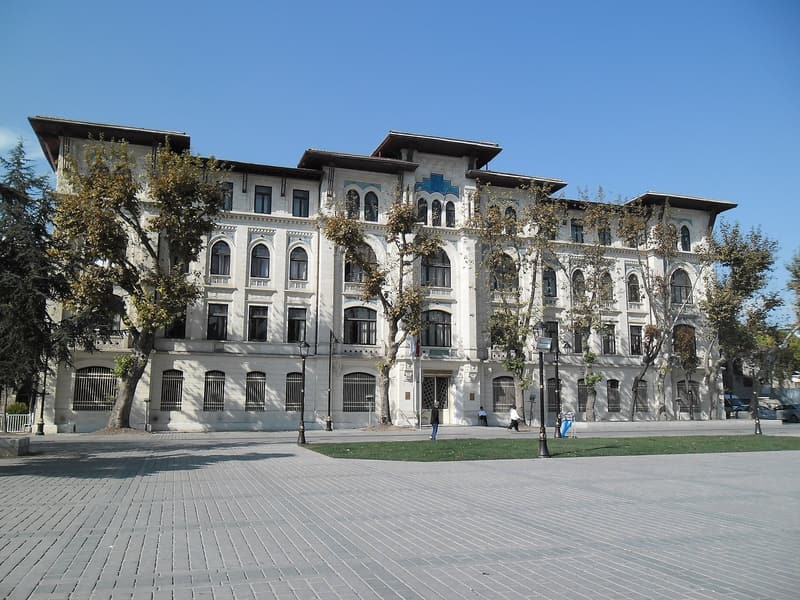
Representative photo · Photo: Филип Романски / Wikimedia Commons, CC BY-SA 3.0
The COP31 climate summit in Turkey has ended in failure, highlighting deep geopolitical divides over fossil fuels and climate finance.
The recent collapse of the COP31 climate summit in Turkey has left many questioning what is COP31 and why the world's most significant environmental gathering failed to reach a consensus. While the conference was intended to advance global climate action, it ultimately stalled over the explicit mention of fossil fuels, the primary drivers of global warming. This outcome reflects not just a technical disagreement, but a broader, increasingly fractured geopolitical landscape.
Australian minister Chris Bowen, who led the negotiations, described the environment as the most fraught in living memory, noting that competing national demands had created unbridgeable red lines. Summit president Murat Kurum expressed frustration, suggesting that governments should not allow a single word or phrase to derail progress, especially when compared to the 2023 agreement in Dubai to transition away from fossil fuels. However, the proposed Antalya Pact omitted any reference to these fuels, leading many nations to fear that it would weaken previous commitments.
The failure of COP31 highlights deep geopolitical divisions over fossil fuel policy and climate finance responsibilities.
Opposition was led by oil-producing nations, with Saudi Arabia arguing that wealthy industrialised countries bear the historical responsibility for emissions. Russia’s delegate, Sergei Kononuchenko, further warned that restricting oil and gas supplies would lead to energy shortages and poverty. Meanwhile, the United States, under the current administration, did not send an official delegation, and leaders from the US, China, and Russia simultaneously pledged to increase petroleum production in a joint declaration from Shenzhen.
Despite the impasse, about two-thirds of the represented governments supported explicit language on moving away from fossil fuels. Christiana Figueres, who led the negotiations for the Paris Agreement, suggested that walking away was preferable to endorsing a weaker political commitment that could undermine existing progress. The dispute also extended to climate finance, with Russia and other developing nations criticizing the reliance on loans rather than grants, characterizing the current system as an outdated form of colonial labor.
Why it matters
The failure to reach a consensus at COP31 signals a shift in international climate diplomacy, where the priorities of major powers increasingly diverge from collective environmental goals. This deadlock affects developing nations that rely on international support for adaptation and clean energy transitions, as they continue to bear the consequences of a crisis they did not create.
For regions like South Asia, the lack of progress on transparent climate finance and clear commitments to phase out fossil fuels remains a critical concern. As wealthy nations and oil-producing states remain at odds, the mechanisms for funding climate resilience in vulnerable regions remain under threat, potentially delaying essential infrastructure and adaptation projects.
Sources
More like this
Robert Macfarlane Criticises Cop Climate Summits in Reith Lectures

Abolishing Natural England would be a travesty, say campaigners
Cop31 Climate Summit Ends Without Agreement