Airbus and Air India to Study Sustainable Aviation Fuel Programme
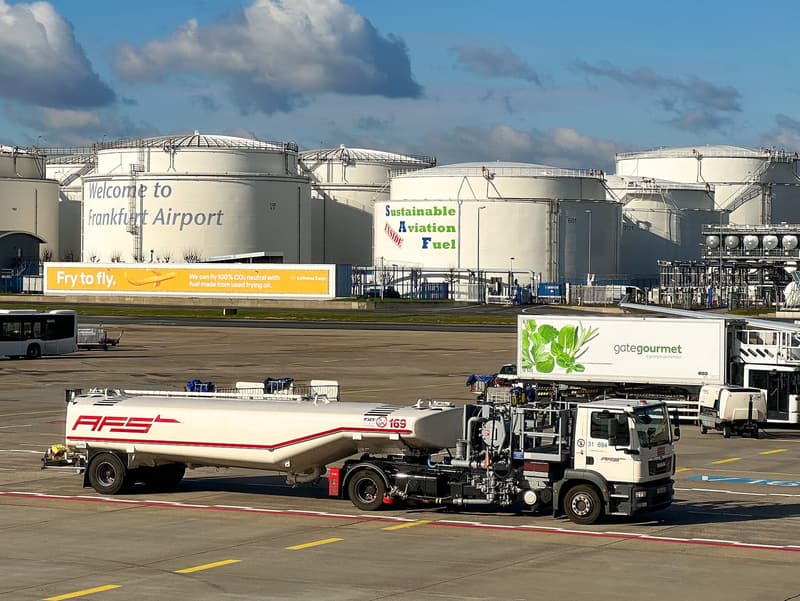
Representative photo · Photo: Ubahnverleih / Wikimedia Commons, CC0
Airbus and Air India have partnered to examine India's first voluntary corporate sustainable aviation fuel programme to help businesses reduce travel emissions.
European manufacturer Airbus and domestic carrier Air India signed a formal agreement on Tuesday, November 17, to examine India's first voluntary corporate Sustainable Aviation Fuel programme. This joint initiative aims to create a mechanism where any business can actively lower the carbon footprint linked to corporate air travel by opting for cleaner energy alternatives. Under the proposed framework, both companies intend to procure and utilize sustainable aviation fuel on designated routes, allowing Air India to transfer corresponding Scope 3 certificates to eligible corporate clients. These certificates account for indirect emissions generated by activities such as business travel.
Airbus Air India Partnership Focuses on Clean Fuel
Expanding demand for cleaner fuel remains vital for establishing a resilient green aviation ecosystem across the nation, according to Tewolde Gebremariam, chief executive officer and managing director of Air India. He highlighted that the airline is currently exploring credible pathways for enterprises to back sustainable energy usage. Meanwhile, Jurgen Westermeier, President and Managing Director of Airbus India and South Asia, described the collaboration as an essential catalyst for accelerating alternative fuel adoption throughout the region while inviting other corporate entities to participate.
Airbus and Air India partner to study India's first voluntary corporate sustainable aviation fuel programme.
To gauge environmental benefits accurately, the framework calculates emission reductions by evaluating the lifecycle carbon footprint of alternative fuels against standard jet fuel using globally accepted benchmarks. Verified savings will enable organizations to monitor and report achievements toward net-zero carbon targets established for 2050 by international aviation bodies, including the Air Transport Action Group, the International Air Transport Association, and the International Civil Aviation Organization. Alternative aviation fuels are manufactured from renewable or waste materials meeting strict criteria, such as CORSIA standards designed to foster sustainable industry growth.
Why it matters
This partnership introduces a structured approach for companies in India and South Asia to directly address indirect environmental impacts from corporate travel. By enabling businesses to acquire verified emission reduction certificates, the initiative establishes a practical method to track sustainability progress and supports the broader transition toward the aviation industry's long-term net-zero goals.
Sources
More like this

Rare Images of Amazon Indigenous Group Highlight Threats

Dual Waterspouts Appear in San Francisco Bay Amid Stormy Weather

Hugh Jackman and Artists Urge Ban on Woodside Gas Project