Rare Images of Amazon Indigenous Group Highlight Threats
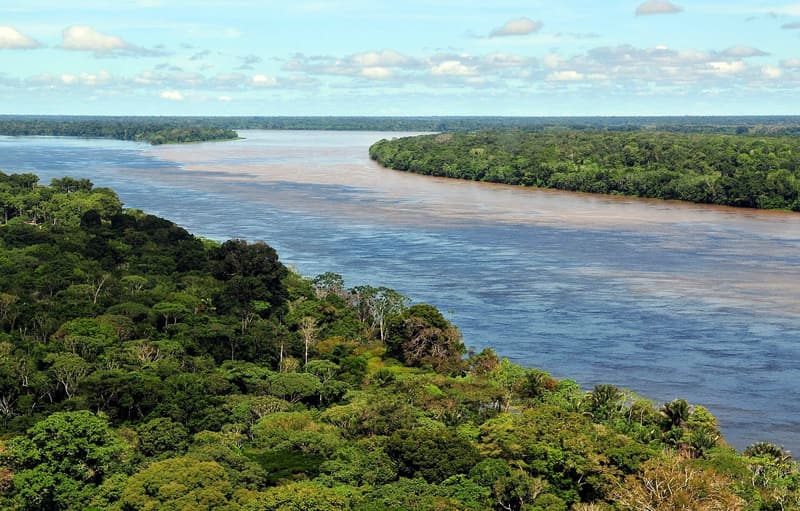
Representative photo · Photo: Neil Palmer/CIAT / Wikimedia Commons, CC BY-SA 2.0
Newly released images of an isolated Indigenous group emerging in the Brazilian Amazon spotlight grave threats from loggers, hunters, and ranchers.
Advocates say that rare indigenous tribes in the Amazon rainforest face escalating threats from illegal loggers, ranchers, and hunters, as highlighted by newly shared images of an isolated community. Survival International released footage showing an encounter between a government team and approximately twenty uncontacted Awa people in the northeastern Brazilian state of Maranhao, where the group asked for food.
The Awa belong to the Tupi-Guarani population in northwestern Maranhao, with several members remaining in voluntary isolation according to Funai, Brazil's official Indigenous affairs agency. Funai stated it is reviewing social media accounts and videos documenting the interaction near a village in the Arariboia Indigenous Land. Officials emphasized that the Brazilian state maintains a strict policy of non-contact and did not seek out the group.
Protecting Vulnerable Communities
According to the Associated Press, members of the Guajajara community recorded the footage near a government access control post and the Tawari village. Survival International published the video following a request from the Guardians of the Amazon, an Indigenous collective opposing illegal deforestation and ranching. Caroline Pearce, the director of Survival International, noted that encroaching intruders surround the uncontacted Awa on all sides, reducing their territory into a shrinking refuge.
Encroaching loggers and ranchers surround uncontacted Awa communities, driving them into a shrinking Amazon refuge.
COAPIMA, a Maranhao Indigenous people's organization, stressed that responsible agencies must handle such encounters carefully due to the severe risks of unplanned contact. Diseases introduced by outsiders can prove devastating to isolated populations. Historical precedents include the Nukak people of Colombia, where roughly forty percent of the community died from illnesses after outsiders reached them during the 1980s. Teresa Mayo, a senior researcher at Survival International, highlighted that the survival of these groups remains entirely dependent on the preservation of their forest home.
Why it matters
Illegal activities and environmental destruction in the Amazon pose severe dangers to uncontacted Indigenous groups like Brazil's Awa, increasing their vulnerability to deadly outside diseases and shrinking their territory.
Sources
More like this
Dual Waterspouts Appear in San Francisco Bay Amid Stormy Weather
Hugh Jackman and Artists Urge Ban on Woodside Gas Project
UK Risks Missing Climate Goals If It Weakens EV Rules