
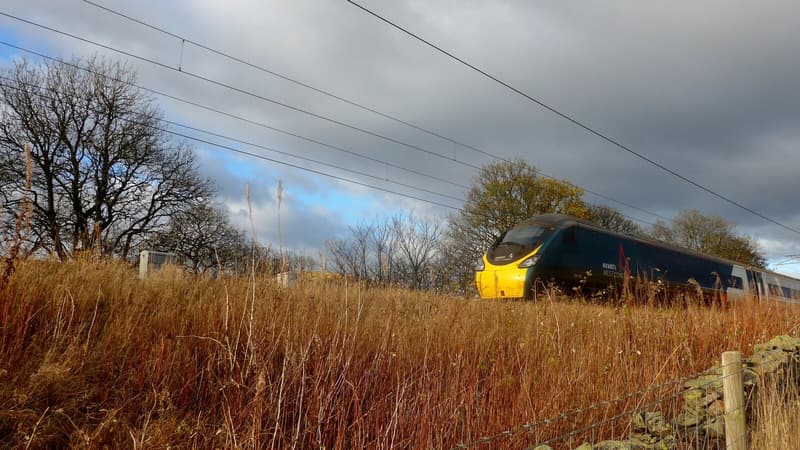
Avanti West Coast Pays Out Over £20m in Passenger Refunds Over Three Summer Months
Representative photo · Photo: Gordon Brown / Wikimedia Commons, CC BY-SA 2.0
Avanti West Coast paid passengers more than £20m in delay compensation over three summer months. The operator's annual refund bill is projected to surpass £70m amid nationwide network disruptions.
Intercity train operator Avanti West Coast paid out more than £20m in passenger compensation across a three-month span this summer following widespread disruption on Britain’s railway network. The surge in Avanti West Coast refunds comes as the operator's total delay compensation expenses are projected to exceed £70m during the current financial year.
Between late June and 25 July, the operator disbursed £9.3m in delay repayments over a four-week window, approaching the total annual profits it recorded in each of the preceding two years. A further £12.2m was paid out during the following eight weeks. The payouts reflect a wider upward trend across Britain, where passenger compensation claims reached 9.1m in 2026, with 80% receiving approval.
Avanti West Coast passenger compensation is projected to exceed £70m this financial year following severe network disruption.
Industry figures show that overall rail compensation climbed to £150m in 2024–25, with Avanti accounting for £40.5m, or roughly 27% of the national total. The operator paid out more than £50m in 2025–26. Rail performance was heavily hit during July heatwaves, when fewer than half of Avanti services ran on time, leaving travellers facing average delays of 19 minutes. One peak repayment period also coincided with a herd of cows straying onto the tracks for several hours.
Contributing Factors and Contract Terms
Under post-pandemic rail agreements, operators receive management fees from the Department for Transport (DfT), leaving taxpayers to absorb revenue shortfalls and compensation costs. Long-distance operators typically face larger claims because ticket prices are higher and delays more frequently reach the 60-minute threshold required for a full refund. Furthermore, Avanti and Great Western Railway (GWR) offer 25% compensation after delays of only 15 minutes. GWR and London North Eastern Railway (LNER) distributed £29.7m and £28m respectively in 2025.
Avanti stated that it was directly accountable for only 23% of its delays between May and August, with the remainder caused by Network Rail, other operators, and external incidents such as trespass. A company spokesperson apologised to customers, noting that automatic repayment systems are in place for delays of 15 minutes or more. The DfT reported that about half of disrupted travellers currently submit claims, with over 99% of cases resolved within 20 days.
Why it matters
The escalating compensation bill directly affects the public purse because rail contracts shift financial shortfalls from private operators to taxpayers. With Avanti scheduled to transition into public ownership under Great British Railways next year, the government will inherit these operational vulnerabilities and financial liabilities. The DfT has committed to simplifying compensation access across ticket retailing channels as state control is established.
Sources
More like this

Témiscaming residents fight to save paper mill after US tariffs force shutdown

Retailer Poundland faces collapse after funding cuts

US Shoppers Face Soaring Costs for Halloween Treats Amid Inflation and High Cocoa Prices
