Bangladesh clothing factory closures hit production amid strikes
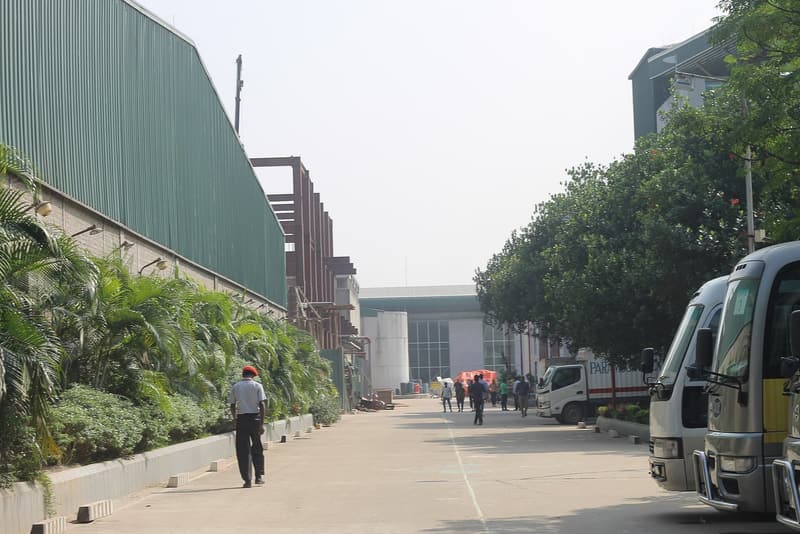
Representative photo · Photo: Aashaa / Wikimedia Commons, CC BY-SA 4.0
Numerous garment factories in Bangladesh have closed following worker strikes demanding a higher monthly minimum wage amid a cost of living crisis.
Dozens of apparel production facilities in major textile areas of Bangladesh have suspended operations as employees stage protests calling for increased pay. Industrial zones including Savar, Ashulia and Gazipur saw nearly 150 locations shut down over the weekend as employees walked off the job to push for a monthly minimum wage of 30,000 taka, equivalent to about £182. The current baseline remuneration stands at 12,500 taka per month, which staff argue is inadequate to manage the ongoing cost of living crisis.
On Sunday morning, demonstrators gathered on the Dhaka-Tangail highway located in Gazipur, causing a roadway blockage that halted traffic for roughly an hour before law enforcement intervened. Police Superintendent Mohammad Amjad Hossain reported that officers closed facilities in the city following the staff walkouts, noting that 13 locations were shut on Saturday night and another 16 during morning disruptions. Industry groups including the Bangladesh Garment Manufacturers and Exporters Association and the Bangladesh Knitwear Manufacturers and Exporters Association have requested heightened security for their properties.
Wage demonstrations and factory closures disrupt major apparel production centers in Bangladesh.
Mahmud Hasan Khan, president of the garment manufacturers association, questioned the logic of continuing wage board negotiations without guarantees of asset protection. Under local labour regulations, the "No Work No Pay" rule permits business owners to halt operations and suspend compensation when manufacturing processes face interruption. Representatives stated that any sites unable to maintain regular output due to ongoing disturbances will remain indefinitely closed.
The apparel sector represents a major economic pillar for Bangladesh, producing nearly $40bn, or roughly £30bn, in annual overseas shipments and accounting for 10% of total gross domestic product. The nation operates as the second largest exporter of ready-to-wear garments globally, trailing only China, and employs approximately four million individuals crafting apparel for prominent international brands such as H&M, Primark and Zara. A newly established minimum wage board, formed on November 1 and led by a senior district judge, has stated it will finalize recommendations by the end of November, with revised compensation structures expected to take effect starting December 1.
Why it matters
The widespread factory closures and wage disputes threaten to disrupt global supply chains for international retailers that rely heavily on the region for garment production. Continued unrest could impact international buyers and delay shipments if the shutdowns persist for an extended period.
Sources
More like this
Poundland Restocks Shelves as US Owners Release Funds for Rescue Talks
The Rise of Christmas Dupes: Budget Alternatives Challenge Luxury Brands

Siege on Beit Ula Industrial Zone Threatens Economy