Politics
Bangladesh Lockdown: Police Station Torched and Security Forces Deployed
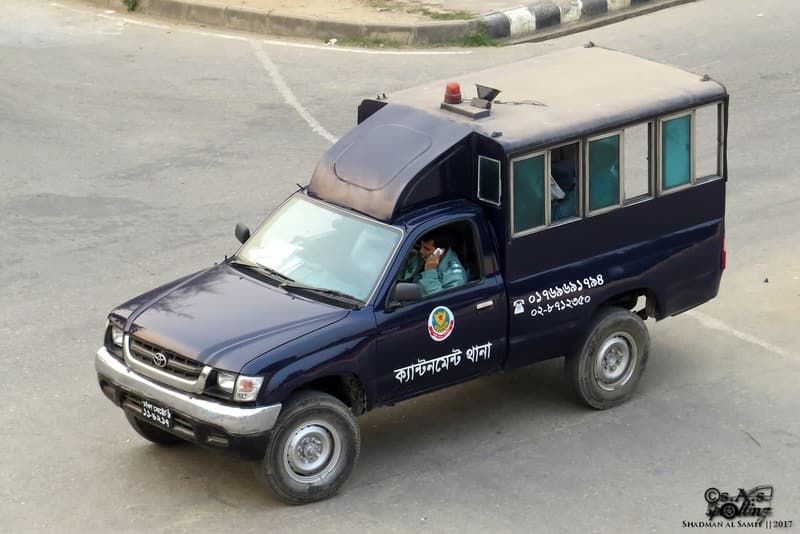
Representative photo · Photo: Shadman Samee from Dhaka, Bangladesh / Wikimedia Commons, CC BY-SA 2.0
Representative photo · Photo: Shadman Samee from Dhaka, Bangladesh / Wikimedia Commons, CC BY-SA 2.0
Widespread violence erupted across Bangladesh during a nationwide lockdown called by the banned Awami League, leading to police station attacks and arrests.
Bangladesh is witnessing intense violence following a nationwide lockdown called by the banned Awami League, led by former Prime Minister Sheikh Hasina. Several parts of the country remained shut as supporters of the party staged protests, with incidents of arson, crude bomb explosions and attacks on political leaders' homes reported. Despite heavy security arrangements, violence occurred in districts including Dhaka, Gopalganj, Narayanganj, Chattogram and Faridpur.
The government deployed around 3,000 Border Guard Bangladesh personnel across seven sensitive districts to maintain law and order. Home Ministry officials stated that 96 platoons were posted to assist local security forces. Gopalganj emerged as one of the worst-affected districts, where a police station was set on fire. This followed another police station torching in Tungipara. A witness noted that no police personnel were present during the Kashiani police station attack, where ten parked vehicles were also ablaze.
Over 3,000 security personnel were deployed across Bangladesh following violent nationwide lockdown protests.
In the capital, Dhaka, an improvised explosive device detonated beneath a metro rail station in Agargaon, causing panic. Unidentified attackers also targeted the houses of two Awami League leaders overnight. Meanwhile, the ancestral home of former interim government chief Muhammad Yunus in Chattogram was reportedly set ablaze. Transport services experienced severe disruptions as unidentified individuals set fire to parked buses and a truck in Narayanganj, Mymensingh and Rajshahi.
Ahead of the shutdown, security agencies launched a major crackdown, with Dhaka Police arresting 565 people during a 24-hour operation, including former Education Minister Nurul Islam Nahid. Additionally, garment factory workers took to the streets demanding higher wages, further contributing to regional disruptions.
The widespread unrest, transport blockades, and attacks on infrastructure disrupt daily life, commercial operations, and industrial manufacturing across Bangladesh, particularly affecting the capital and surrounding industrial zones. These developments reflect deep political polarization and security challenges that impact regional stability and transport connectivity.