Fish and eggs al desko? The dos and don'ts of the lunch break
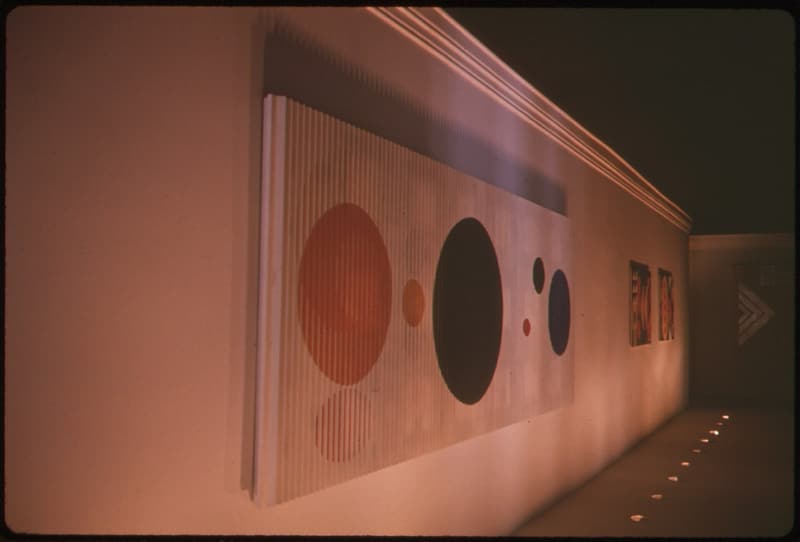
Representative photo · Photo: Declan Haun / Wikimedia Commons, Public domain
Office lunches can spark workplace friction over strong smells and crumbs, while workers remain divided on taking a proper break away from their desks.
Office environments often test professional relationships, particularly when colleagues choose to eat lunch at their desks. Among the common culprits are foods with pungent aromas, such as fish and eggs, which can quickly divide opinion in shared workspaces. While some employees feel that no food should be off-limits, others find that certain items create uncomfortable situations for the entire team.
Civil servant Sarah jokingly noted that microwaving fish pie is practically an unwritten taboo in professional settings, recalling an instance where a strong smell prompted her departure from a previous workplace. Similarly, Casey, a content creator, mentioned that he previously consumed tuna at his workspace before reforming his habits to consider surrounding odors. Beyond strong smells, crumbly snacks can also cause issues. Casey admitted that his cinnamon pretzels frequently scatter sugar and debris across his keyboard, requiring him to sweep the mess away quietly.
Eggs represent another divisive desk meal. Laura, a finance worker, defended her consumption of boiled eggs as a healthy and cost-effective choice, though she faced teasing from peers. While cultural backgrounds often shape dietary openness toward foods like fish, extreme odors can prompt direct intervention. Ashlea Fisher, a recruitment company owner, recounted having to ask an employee to stop bringing fish to the office after the scent caused a pregnant colleague to feel physically ill. Fisher emphasized that open, light-hearted conversations can resolve such issues without making individuals feel judged.
Workplace friction over food highlights the need for mindfulness and etiquette around colleagues.
Aside from menu choices, the habit of eating at the desk itself remains widespread. A 2025 report by Just Eat indicated that Gen Z workers are the most likely to take a full break at 56%, whereas millennials lean toward staying at their desks. Employment law and HR expert Alan Price noted that remaining glued to a screen all day is discouraged, pointing out that breaks offer documented physical and mental health benefits. While some workers like Manny embrace task-based desk dining, others like Laura view stepping away for an hour as vital for preserving mental wellbeing.
Why it matters
This ongoing debate over office dining highlights the delicate balance between personal dietary habits and shared professional etiquette. As different generations navigate workplace norms, understanding the impact of strong smells and screen fatigue affects daily office comfort and overall employee wellbeing.
Sources
More like this
Daraxonrasib Pill Trial Hailed as Major Breakthrough for Pancreatic Cancer

Health Warning Issued in New South Wales After Vape Users Hospitalised

Inquest examines deaths of four babies after free and home births in NSW