Bangladesh garment workers protest for higher wages and clash with police
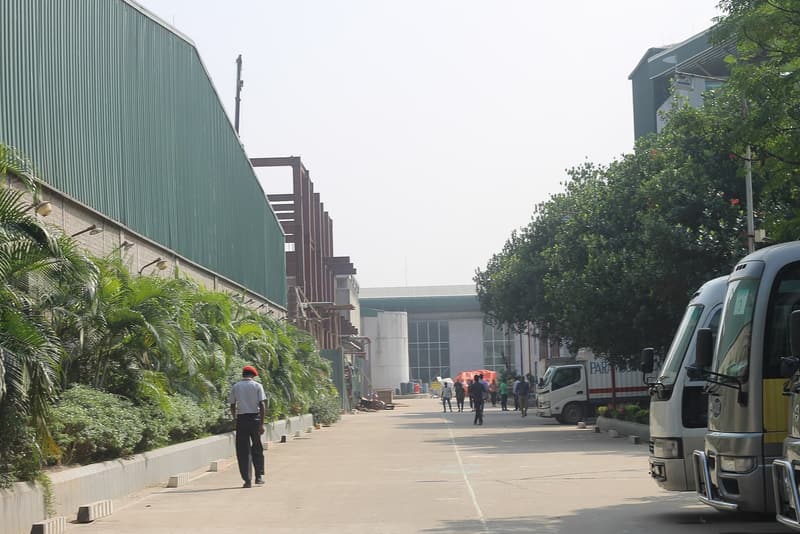
Representative photo · Photo: Aashaa / Wikimedia Commons, CC BY-SA 4.0
Garment workers in Bangladesh have staged demonstrations demanding a higher monthly minimum wage, leading to clashes with police in multiple industrial zones.
Garment workers in Bangladesh stepped up demonstrations on Tuesday, November 17, demanding a significant increase in their monthly compensation. Protesters are calling for the current minimum wage of Tk 12,500 to be raised to Tk 30,000, pointing out that their current earnings fail to cover soaring expenses for housing, food, healthcare, and transport. This push for a higher bangladesh minimum wage has sparked widespread industrial unrest across several key manufacturing hubs.
Demonstrations and clashes were reported in Dhaka, Savar, and Ashulia. In Dhaka's Mirpur area, security forces used sound grenades to disperse crowds after demonstrators attempted to march toward the Mirpur-10 roundabout. Meanwhile, protesters blocked the Dhaka-Aricha Highway in Savar, causing severe traffic delays. Further clashes and road blockades involving burning tires and waste prompted police and paramilitary Border Guard Bangladesh personnel to deploy tear gas and sound grenades in Hemayetpur and Ashulia.
The unrest has heavily impacted production facilities. Multiple factories in the industrial zones remained closed, announced general holidays, or saw workers halt their operations entirely. Factory owners have cautioned that extended interruptions during the crucial spring and summer production period could result in delayed shipments, lower buyer confidence, and potential order cancellations.
Garment workers in Bangladesh clashed with police while demanding higher monthly wages.
Wage Board Developments and Political Tensions
In response to earlier protests, the government established a Minimum Wage Board on November 1. The board's third meeting was rescheduled to November 23, where representatives for factory owners are slated to present a revised pay structure following proposals already submitted by workers. Authorities expect to finalize and announce the new wage scale in December, with implementation scheduled for January.
The demonstrations have also coincided with political friction. Activists from the ruling Bangladesh Nationalist Party launched anti-protest campaigns to stop alleged infiltrators from disrupting the rallies. Meanwhile, political figures traded accusations regarding the origins of the unrest following the student-led uprising on August 5, 2024, that forced former prime minister Sheikh Hasina to flee the country.
Why it matters
Bangladesh stands as the second-largest garment exporter globally, trailing only China. The apparel sector provides employment for over four million individuals and generates more than 80 percent of the nation's export revenue.
Because the country supplies major international fashion retailers such as H&M, Zara, and Gap, prolonged disruptions in local factories can directly impact production schedules and global apparel supply chains.
Sources
More like this
Australia's wages growth hits highest rate since late 2023
Gold rate today Bangalore: What happened and why prices are falling
Brexit Work Travel Rules Need Urgent Overhaul, Says CBI