India Slams OIC at UN Over Exclusion and J&K Remarks
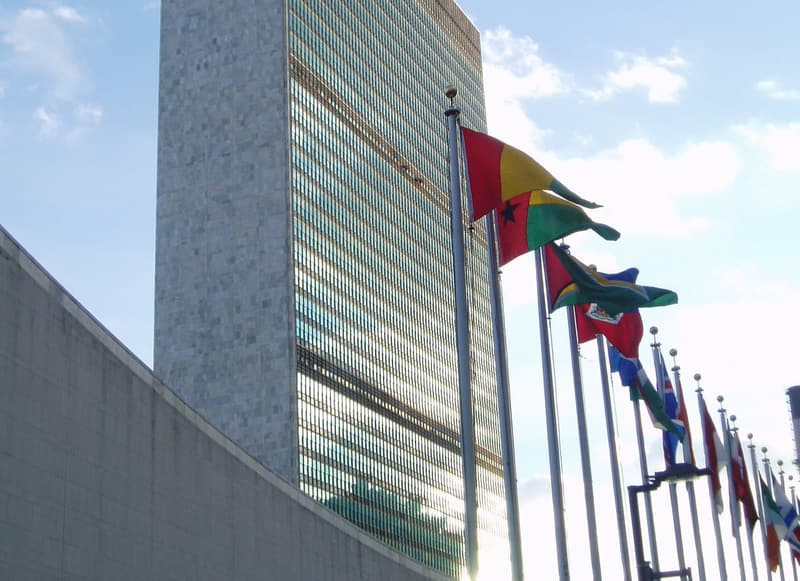
Representative photo · Photo: Steve Cadman / Wikimedia Commons, CC BY-SA 2.0
New Delhi strongly objected to Turkiye's selective exclusion during UN-OIC resolution consultations and rejected remarks on Jammu and Kashmir.
NEW YORK: India has voted against a UN General Assembly resolution concerning cooperation between the United Nations and the Organisation of Islamic Cooperation. During the session, New Delhi strongly objected to what it described as a blatant and intentional exclusion of India and several other member states from negotiations. Ambassador Yojna Patel, India's Deputy Permanent Representative to the UN, delivered a sharp critique of the process, highlighting procedural irregularities and slamming Ankara for a partisan approach.
The draft resolution, titled Cooperation between the United Nations and the Organisation of Islamic Cooperation, was introduced by Iraq and facilitated by Turkiye. It was adopted on November 16, with India, Armenia, Cyprus, Greece, Israel, and the United States voting against it. Cyprus and Greece also voiced concerns regarding transparency and inclusivity during the negotiations. Ambassador Patel explained that India's opposition stemmed not just from the resolution's text, but from the methods used by the facilitator, noting that the OIC Permanent Observer Mission deliberately omitted the Indian delegation from successive drafts.
India firmly rejected the OIC's attempt to comment on Jammu and Kashmir and internal matters.
Describing the exclusion as shocking, the Indian diplomat warned that allowing delegations to selectively exclude specific countries establishes a dangerous precedent in multilateral diplomacy. New Delhi called upon the President of the UN General Assembly to investigate the matter. Furthermore, India criticised the OIC's attempt to extend its mandate into international conflict resolution, noting it is not a regional organisation. New Delhi also strongly rejected unwarranted references to Jammu and Kashmir originating from a July women's conference in Islamabad, asserting that the OIC has no locus standi regarding India's internal affairs.
India further accused a specific member state of repeatedly weaponising OIC resolutions through false and baseless allegations against New Delhi. Other nations, including Cyprus and Greece, also highlighted a lack of transparency and dismissed European Union inputs during the diplomatic process.
Why it matters
The developments at the UN General Assembly highlight deep divisions over procedural fairness and transparency in multilateral diplomacy. By formally opposing the resolution and exposing partisan exclusions, New Delhi defends its sovereign stance against external interference and challenges attempts to misuse international platforms for narrow political agendas.
Sources
More like this
Israeli Opposition Pushes for New Knesset Speaker to Challenge Netanyahu

Independent MPs Criticize Last-Minute Changes to Federal Election Funding Laws

Alan Milburn report on youth unemployment unveiled to reshape welfare