Beyond the Horizon: Searching for Kenya’s elusive black leopard
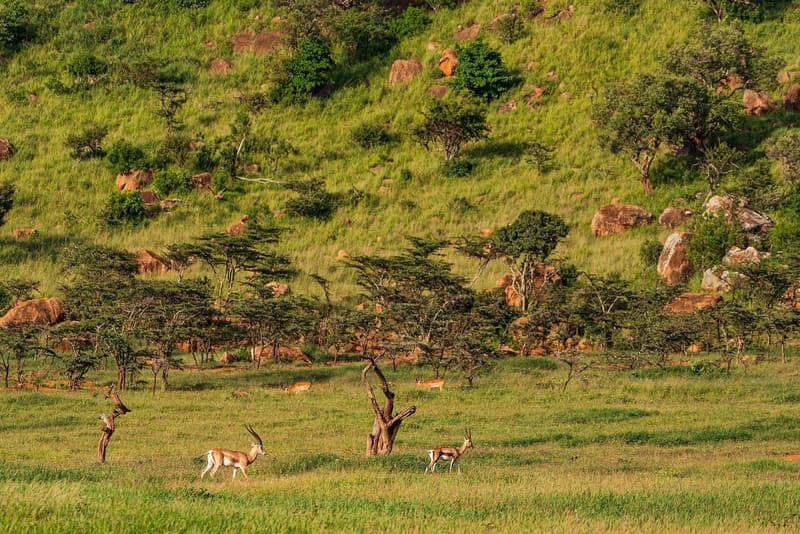
Representative photo · Photo: Nina R from Africa / Wikimedia Commons, CC BY 2.0
Maasai photographer Latei Moses journeys through northern Kenya to capture images of the rare black leopard known as Giza, while reclaiming his community's visual narrative.
Maasai photographer Latei Moses is currently navigating the challenging landscapes of northern Kenya on an ambitious quest to document the elusive black leopard. Known locally as Giza, the creature is said to inhabit the remote Laikipia region, where it has long been a subject of regional folklore. For many, this journey represents a Beyond the Horizon movie experience, capturing a rare intersection of wildlife exploration and personal identity.
The search for Giza
Latei’s expedition is defined by resilience as he traverses difficult terrain, often facing exhaustion and repeated setbacks in his pursuit of the rare wild cat. His mission extends beyond mere wildlife photography; it serves as a deliberate effort to shift how the Maasai community is represented globally. Historically, the Maasai have been among the most photographed groups in the world, yet these images have frequently been captured through the lens of outsiders. By documenting his own people and the natural world around him, Latei is reclaiming the power of the camera to tell his story on his own terms.
Latei Moses is tracking the rare black leopard Giza while reclaiming the Maasai visual narrative.
This project is documented in the film Beyond the Horizon: Searching for Giza, directed by Mohtadi Ali Ahmad, Mohamad Ali Ahmad, and Christelle Saade. As the crew continues to navigate the rugged environment, the central question remains whether Latei’s persistence will ultimately lead him to the elusive leopard that has captivated local imagination for generations.
Why it matters
This story highlights the importance of indigenous representation in photography and media. By taking control of the camera, Latei Moses challenges traditional narratives and provides a more authentic perspective on the Maasai community and their environment.
For audiences in India and South Asia, this serves as a reminder of the universal struggle to preserve local wildlife and the significance of cultural self-representation in a globalized media landscape.
Sources
More like this

Gérard Depardieu Drops Appeal Over Assault Conviction

Eurovision Asia organisers criticise Malaysian TV channel over cuts
Teja Sajja Engagement: Actor Holds Ceremony in Hyderabad