Bitcoin mining difficulty drops 9.1% following October surges
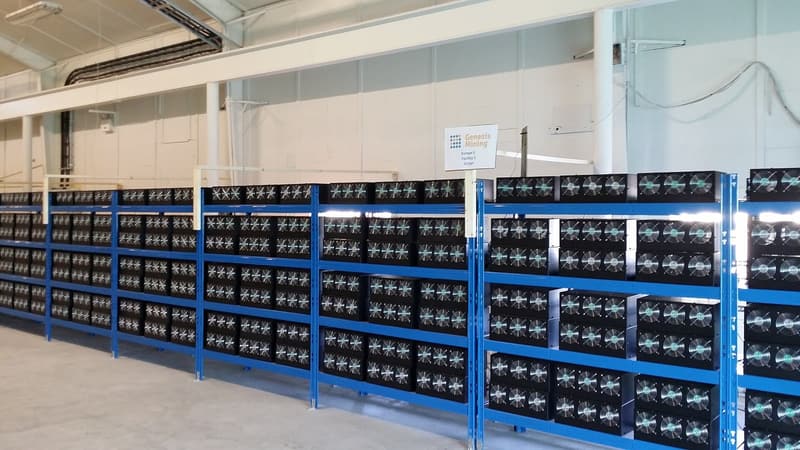
Representative photo · Photo: Marco Krohn / Wikimedia Commons, CC BY-SA 4.0
Bitcoin's mining difficulty has decreased by 9.1%, providing immediate computational relief to miners after consecutive increases in October.
This is news, not investment advice. NexVani Media is not a SEBI-registered investment adviser and does not recommend buying or selling any security. Do your own research or consult a registered adviser before investing.
Bitcoin mining difficulty underwent a significant adjustment on November 14, falling by 9.1% to reach 134.82 trillion. This reset, which took effect at block 975,744 at 05:02:50 UTC, effectively reverses most of the computational burden that had accumulated throughout October. According to historical data from Mempool, the network's difficulty had previously risen from 132.72 trillion on October 3 to 148.36 trillion, following two separate increases of 5.9% and 5.5% respectively.
Understanding bitcoin mining difficulty
For those interested in how a bitcoin mining machine operates, this adjustment is a critical event. The network is designed to recalculate its mining difficulty every 2,016 blocks to maintain a target block interval of roughly ten minutes. By lowering the difficulty, the network increases the mathematical probability that a specific amount of computing power will successfully earn a block reward. This provides a measurable level of computational relief for active miners who have been managing the higher requirements set during the previous month.
The 9.1% reduction in mining difficulty eases the computational burden for Bitcoin network participants.
While this change improves the difficulty component of expected earnings, it does not guarantee higher profits. The gross expected earnings per unit of computing power are theoretically 10% higher, assuming block subsidies and average transaction fees remain constant. However, actual profitability remains tied to fluctuating variables, including the current Bitcoin price, network transaction fees, and the operational costs associated with electricity and hardware efficiency.
The November 14 adjustment was more pronounced than previous projections, which had anticipated a smaller decline of approximately 6.5%. With this latest change, the network's difficulty level now sits only 1.6% above the baseline established at the beginning of October, effectively unwinding the majority of the recent upward pressure.
Why it matters
This adjustment is significant because it directly impacts the operational environment for Bitcoin miners worldwide. By lowering the threshold for earning block rewards, the network facilitates a more favorable environment for those maintaining the blockchain's security. While this change improves the technical conditions for mining, the ultimate economic viability for participants continues to depend on volatile market prices and individual production costs.
Sources
More like this
AI Agents Impersonate Employees and Attempt to Steal Data During Safety Experiment

Solana Stablecoin Market Shrinks $919M As USDC Grows

Bitcoin Hits 18-Week Low as Markets Await Nvidia Earnings