Great Britain’s Oldest Renewable Energy Projects Face Subsidy Reform
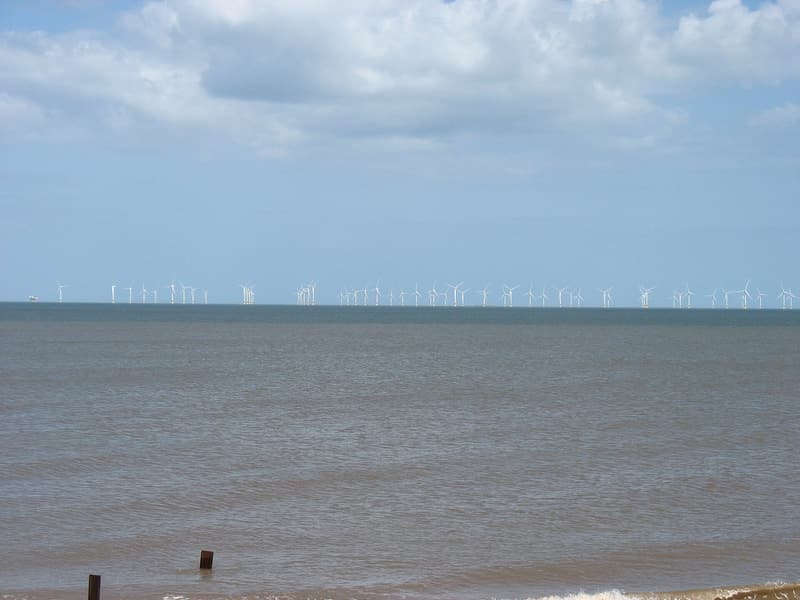
Representative photo · Photo: David Purchase / Wikimedia Commons, CC BY-SA 2.0
Independent analysis suggests older UK wind and solar farms could see a £9bn windfall next year, prompting calls for urgent subsidy reform to lower consumer energy costs.
Independent research indicates that the oldest renewable energy projects in Great Britain are set to receive a windfall of nearly £9bn next year. As officials work to manage the nation's energy costs, analysis from the Energy Competitiveness Unit (ECU) highlights that nearly one-third of wind and solar farms operating under legacy subsidy schemes are poised for significant payment increases due to elevated market prices. While these projects are vital to the Great Britain energy landscape, the current support structure has become a focal point for policy debate.
Projects commissioned between 2003 and 2014 are expected to claim £4.5bn in subsidies during the upcoming financial year, in addition to £4.2bn in wholesale market revenue. This represents a nearly 50% increase in developer income compared to levels seen before the 2022 surge in gas prices. Unlike modern projects that utilize fixed-price contracts, these older sites operate under the Renewables Obligation (RO) scheme, which provides payments on top of wholesale market earnings. Consequently, when gas prices rise, the cost to taxpayers and bill payers increases accordingly.
Older renewable energy projects may receive a £9bn windfall, sparking calls for urgent subsidy scheme reform.
Addressing the Great Britain Energy Subsidy System
The ECU argues that while the RO scheme was instrumental in launching the industry nearly 25 years ago, it has persisted in an unsustainable manner. Andrew O’Brien, director of the ECU, noted that many developers are currently earning significantly more than they could have anticipated when they first invested. In response, the government has announced plans to move these costs into general taxation by April 2026 and has warned that generators could face higher windfall taxes unless they transition to new, partially fixed subsidy contracts.
However, the ECU suggests these measures are insufficient. They propose that moving all generators to a "fair value" fixed-price contract could reduce electricity costs by £3.8bn next year and by £9.2bn over the next decade. This shift would also provide legal protection against potential future policy changes. Conversely, RenewableUK chief executive Tara Singh emphasizes that these projects continue to help consumers by reducing reliance on expensive gas imports, noting that existing windfall taxes already capture a significant portion of additional market earnings.
Why it matters
The ongoing debate over legacy renewable subsidies is central to the government's goal of decoupling domestic electricity costs from volatile international gas markets. Reforming these payments is essential for lowering energy bills for households and businesses across the country.
For those monitoring the energy sector, this situation underscores the tension between honoring historical investment contracts and ensuring that current energy policies remain affordable. The outcome of these reforms will determine how the UK balances its long-term net-zero commitments with the immediate need to protect consumers from global price shocks.
Sources
More like this
Gas starts flowing from Jackdaw after government green light

Tunstall Thrift Shop Asks Donors to Choose Monthly Charities

Cycle Shop Owner Considers Closure After Break-In