Bitfarms Pays $11.9M Tariff Bill After Washington State Import Dispute
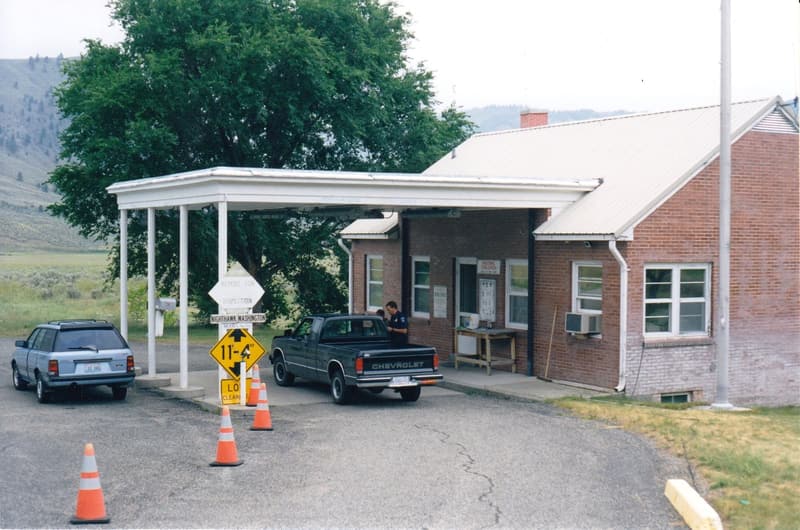
Representative photo · Photo: Wbaron / Wikimedia Commons, CC BY-SA 3.0
Bitcoin miner Bitfarms paid an $11.9 million customs bill four years after importing hardware into Washington state that it believed was made in Malaysia.
This is news, not investment advice. NexVani Media is not a SEBI-registered investment adviser and does not recommend buying or selling any security. Do your own research or consult a registered adviser before investing.
Bitcoin miner Bitfarms has paid the United States government $11.9 million to settle an import dispute regarding equipment brought into Washington state in 2021. The company initially believed the machines were manufactured in Malaysia, relying on information provided by its supplier along with supporting documents submitted to US Customs officials. However, US Customs and Border Protection later challenged the declared origin of the hardware, arguing that the items were actually made in China and subject to a 25 percent import duty.
The disagreement began in early 2022 when Customs questioned the origin of the imported machinery. Bitfarms stated that its Chinese vendor represented the equipment as Malaysian, whereas Customs asserted Chinese manufacture. Throughout the process, the miner submitted additional supporting documents, paid $180,000 of the duties in 2024, and continued to contest the assessment. In August 2025, Customs formally responded that duties were required, prompting Bitfarms to report the payment two months later in its financial statements. Although management previously did not consider a future cash outflow probable as of mid-2025, the financial burden ultimately materialized long after the initial purchase and deployment of the equipment.
Equipment import disputes can create multi-million dollar liabilities for mining companies years after purchase.
Similar challenges have affected other industry participants. IREN faced a potential exposure of approximately $100 million for hardware imported between April 2024 and February 2025, but Customs ultimately approved its protests in October 2026 and accepted the declared origin. Meanwhile, CleanSpark reported mixed outcomes on its 2024 equipment imports, estimating a potential tariff liability of up to $130 million if Customs prevails on remaining contested entries, though losses were considered improbable at the time of reporting. DarkHorse Technologies, formerly Sphere 3D, also shows how older equipment purchases remain visible across corporate transformations and financial disclosures.
Import duties depend on a product's country of origin, a determination that can become complex when machines contain components from multiple nations and undergo final assembly elsewhere. Federal regulations classify unpaid duties as a debt owed by the importer, meaning that selling secondhand machinery does not automatically discharge previous customs obligations.
Why it matters
These ongoing import disputes demonstrate how historical trade compliance issues can significantly impact a company's available capital long after hardware has been delivered and put into operation. As mining firms navigate changing regulatory environments and adapt their facilities for alternative uses such as artificial intelligence, unresolved customs liabilities continue to influence corporate financial planning and asset management across the sector.
Sources
More like this
Hackers Swapped Hosted DeepSeek Model for 53 Hours, Stripping Safety Protections

Russia Approves Bitcoin Trading Framework for Exchanges
Aave Raises USDC Borrow Cap to $4 Billion on Ethereum V3