Trevi Fountain Coin Tradition Declines Amid New Access Fees and Barriers
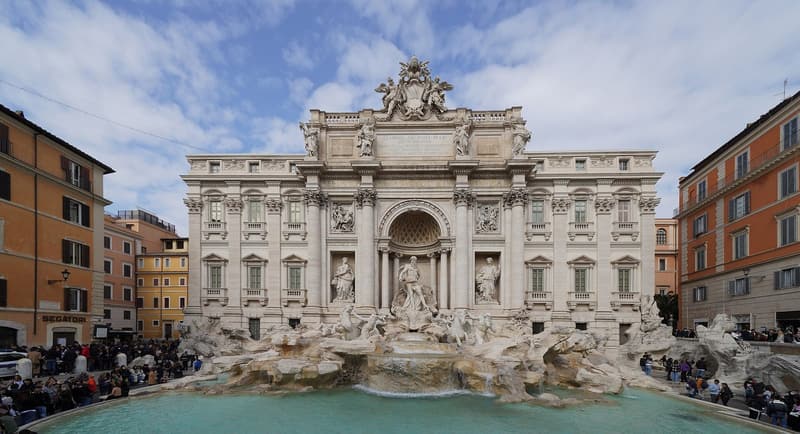
Representative photo · Photo: NikonZ7II / Wikimedia Commons, CC BY-SA 4.0
Charity donations from Rome's Trevi fountain have dropped by £200,000 as new entry fees and physical barriers impact the historic coin-tossing tradition.
The iconic ritual of tossing a coin into Rome’s Trevi fountain is facing a decline as new management measures reshape the experience for tourists in Rome. Since February, a €2 entry fee and a physical barrier have restricted access to the basin of the baroque monument, leading to a noticeable drop in the coins collected by the church-run charity Caritas. Between January and September, the charity reported a shortfall of approximately £200,000 compared to the same period in 2025.
Charity donations from the Trevi fountain have fallen by £200,000 following the introduction of entry barriers.
Impact on tourists in Rome
For many visitors, the barrier serves as a significant deterrent. While some travelers, like American tourist Jeff Clinton, still carry physical coins with the intention of participating in the tradition, the physical separation from the water often leads them to abandon the attempt. Others, such as visitors from New York, have noted that the lack of physical change combined with the entry fee makes the act less appealing. Even those who pay the fee, such as tourists from Australia, have reported feeling less inclined to participate when they observe that the tradition is not being widely practiced by others in the basin.
Giustino Trincia, the director of Caritas Roma, suggested that the restriction of direct access is a likely factor in the decline. The charity, which typically collects over €1.4 million annually, uses these funds to support welfare projects and food banks. Beyond the physical barriers, the rise of digital payments and mobile wallets is also viewed as a contributing factor to the reduction in physical currency available for the ritual. Staff members monitoring the site have noted that many visitors are simply unaware of the custom, which gained global popularity following the 1954 film, Three Coins in the Fountain.
While the Rome council has generated significant revenue from the new access fees—collecting over €435,000 in the first month alone—the initiative has created friction regarding the impact on charitable collections. The council implemented the system to manage the influx of 4.4 million annual visitors and to fund the maintenance of the city's monuments. A spokesperson for Caritas stated that the charity is not providing further public comments, noting that the final impact may be mitigated once foreign currency is fully accounted for in the annual totals.
Why it matters
The decline in coin collections directly impacts the funding for welfare programs and food banks managed by Caritas. This shift reflects a broader tension between the need for sustainable tourism management in crowded historic cities and the preservation of long-standing cultural traditions that support local social services.
Sources
More like this

Kyiv Residents Remain Resilient Amid Russian Air Strike Damage to City Bridges

Teenager arrested over Melbourne hospitality arsons and kidnapping plot

Former Brazil President Jair Bolsonaro Hospitalized with Intestinal Obstruction