Brisbane’s $1.4 Billion Arena Project Is Finally Happening
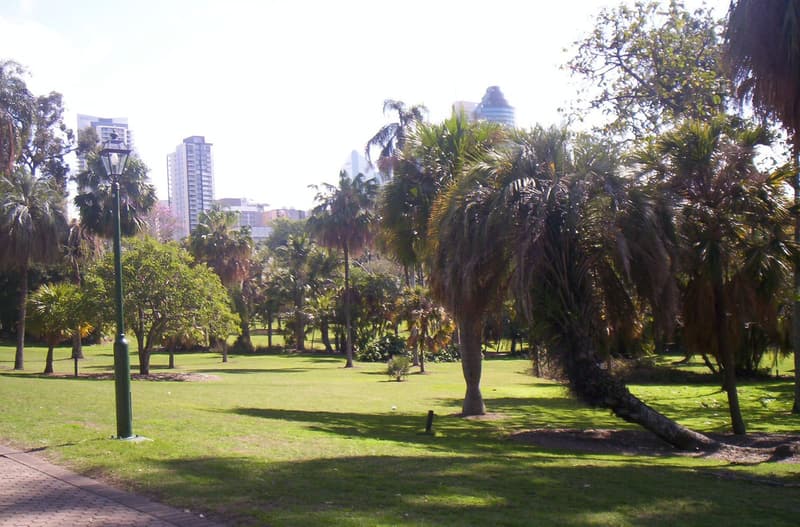
Representative photo · Photo: John Robert McPherson / Wikimedia Commons, CC BY-SA 4.0
The Queensland Government has tapped the Gather Brisbane consortium to build a new 17,000-seat indoor arena, with construction set to begin early next year.
The long-awaited development of an inner-city arena in Brisbane is finally happening after the Queensland Government selected the Gather Brisbane consortium to lead the project. This $1.4 billion infrastructure initiative will deliver a 17,000-seat indoor venue situated adjacent to the new Woolloongabba Cross River Rail station. Construction is scheduled to commence early next year, with the facility expected to open its doors in 2031.
A New Era for Woolloongabba
The project is the cornerstone of the broader Gabba Entertainment and Housing Precinct. Once the 2032 Olympic and Paralympic Games conclude, the existing Gabba Stadium will be decommissioned. In its place, the site will be transformed into a residential hub featuring nearly 4,000 homes, alongside new public spaces, dining options, and bars. The arena itself is designed to accommodate 17,000 spectators for sporting events, with a capacity of up to 18,700 for concerts, effectively replacing the 40-year-old Brisbane Entertainment Centre.
The new $1.4 billion Brisbane arena will begin construction in January 2026 to open by 2031.
The Gather Brisbane consortium comprises infrastructure investor Plenary, promoter Live Nation, venue operator Oak View Group, and builder Webuild. These partners will handle the design, financing, construction, and ongoing operation of the venue. Renders of the facility depict an oval structure adorned with copper and bronze-toned fins. The design includes a pedestrian bridge and a landscaped plaza connected to the Woolloongabba busway station, creating an integrated transit and entertainment experience similar to the relationship between Madison Square Garden and Penn Station in New York.
Financial arrangements stipulate that the private sector will manage the construction phase. The state government will provide a $600 million capital contribution only after the arena is completed and operational. This cost will be balanced by the staged release of the former Gabba Stadium land for residential development. The state will retain ownership of the arena land until at least 2071, while the private operator assumes responsibility for maintenance and future upgrades.
Why it matters
This project represents a significant urban renewal effort for Brisbane, shifting the city's entertainment landscape toward a more integrated, transit-oriented model. By replacing aging infrastructure and planning for thousands of new homes, the development aims to create a lasting legacy for the city's residents and visitors well beyond the 2032 Games.
For international observers, including those in South Asia, this development highlights how major sporting events can drive long-term infrastructure investment. The shift from a single-use stadium to a multi-purpose, residential-friendly precinct serves as a model for urban planning in rapidly growing metropolitan areas.
Sources
More like this
Gymshark in trademark battle that threatens future of small fitness business

Beauty advent calendars can cost hundreds, but are they value for money?
David Jones faces store closures as Myer navigates retail challenges