Why governors are important in the upcoming midterm elections
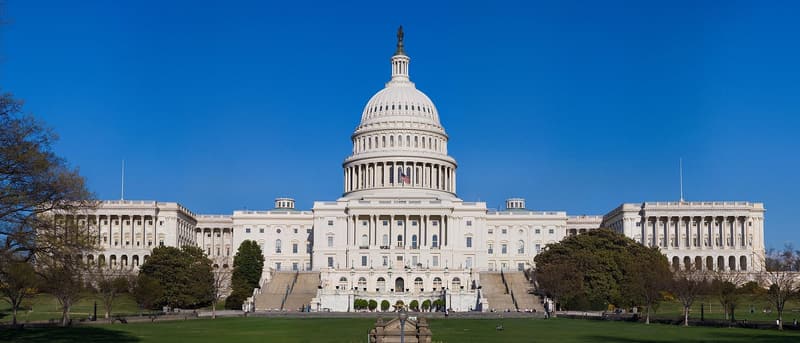
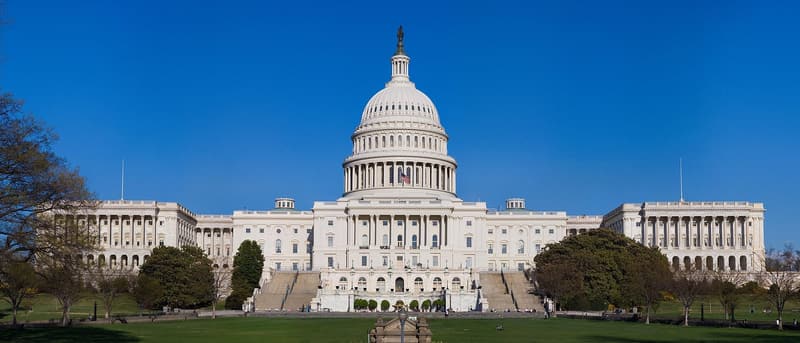
Representative photo · Photo: Noclip / Wikimedia Commons, Public domain
While attention focuses on Congress, state-level races across 36 states feature historic turnover that could alter leadership.
While much of the public attention ahead of upcoming midterm elections centres on the battle for control of the United States Congress, key state-level contests are also unfolding with far-reaching consequences. People often ask why governors are important given that legislative bodies create laws, but state chief executives hold sweeping powers that directly shape daily life and governance across the country.
This year, thirty-six states will choose their next governor. An unusually high proportion of these races focus on open seats where no incumbent is seeking re-election. In nineteen contests, current officeholders are either term-limited, such as California Democrat Gavin Newsom, or chose voluntarily not to run again, like Iowa Republican Kim Reynolds. This historic turnover creates the potential for significant shifts in state leadership.
Governors serve as chief executives, overseeing departments and agencies that deliver public services. Their exact powers vary, but generally they propose budgets, appoint senior officials, issue executive orders, direct law enforcement agencies, and either sign or veto legislation passed by state lawmakers.
Historic turnover in thirty-six states will allow voters to decide significant changes in leadership.
Reproductive rights and election administration
One of the most visible areas where state leaders exert influence is reproductive rights. Following the Supreme Court ruling that ended federal protection for abortion access, states can regulate the procedure independently. While roughly thirteen state legislatures enacted complete or near-total bans, about a dozen governors issued executive orders to mitigate potential harm. For example, North Carolina's governor supported abortion rights even though the state legislature did not.
State leaders also influence election administration. Some appoint officials who oversee elections, while others sign or veto bills that alter voting rules. Furthermore, governors help shape responses to federal policies by challenging federal actions in court, negotiating funding, and managing federally funded programmes such as Medicaid expansions.
Finally, the governor's mansion serves as a unique platform for showcasing political talent. At least seventeen former United States presidents held gubernatorial office before reaching the nation's highest post.
Why it matters
Historic turnover in this election will allow dozens of states to vote on significant changes in leadership. The outcomes affect public services, policy implementation, and how individual states manage everything from healthcare to voting rules.
Sources
More like this
US Senator Chris Murphy Recovering After Suffering Stroke
Nationals senator matt canavan to contest lower house seat
US voters face rising cost of living ahead of midterm elections