Chinese University Acquires Restricted Nvidia H200 Chips
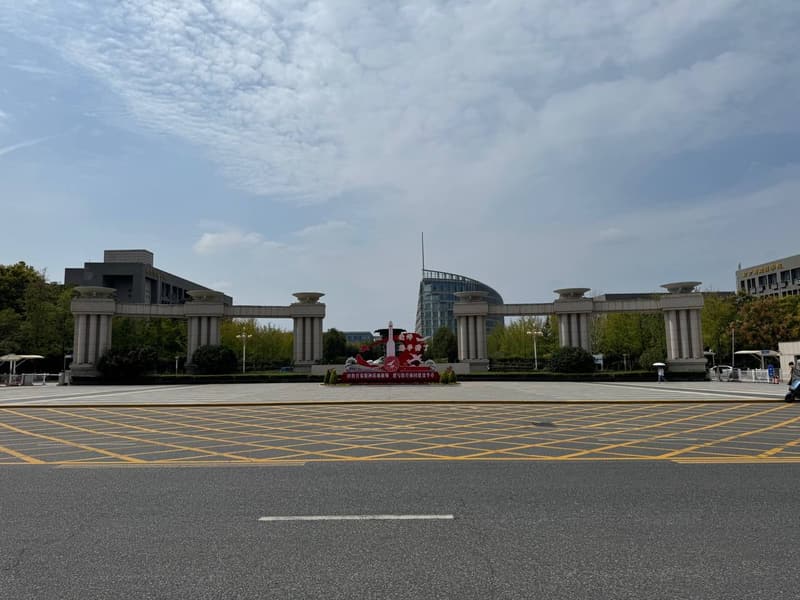
Representative photo · Photo: Nishino Asuka / Wikimedia Commons, CC BY-SA 4.0
Procurement records show a Chinese defense-linked university acquired Nvidia H200 chips through local suppliers despite US trade restrictions.
A prominent Chinese academic institution with defense ties successfully obtained powerful Nvidia processors last month, bypassing existing trade restrictions. Northwestern Polytechnical University, part of China's elite defense-focused academic network, acquired two high-end computing components for 874,700 yuan through a local technology provider rather than making a direct purchase from the manufacturer. This transaction highlights how institutions can still access restricted technologies despite strict export controls.
The acquired components belong to a class of advanced hardware heavily utilized for training and operating sophisticated artificial intelligence systems. Because of their potential military utility, these items require official export approvals that are routinely denied to entities placed on Washington trade blacklists. Alongside this direct acquisition, records indicate the same university secured access to similar computing power this year through multiple server rental agreements with domestic firms.
Investigations into procurement documents reveal a broader trend of Chinese research centers obtaining restricted hardware through secondary local suppliers. US authorities have maintained strict limitations on technology exports to institutions linked to military modernization, though policy updates have permitted specific exceptions on a case-by-case basis. Congressional lawmakers from both major political parties continue to advocate for enhanced oversight and stricter tracking mechanisms regarding advanced computing exports.
Defense-linked Chinese universities continue to access restricted Nvidia chips through local suppliers.
Meanwhile, the manufacturer's leadership faces intense scrutiny in Washington following reports concerning potential foreign intelligence targeting. The company's board has initiated an independent inquiry into the matter, while congressional committees have requested formal briefings with executive leadership. Lawmakers have expressed concern that access to advanced hardware could accelerate foreign military capabilities and intelligence analysis.
Why it matters
This development underscores the ongoing challenges regulators face in enforcing export controls on sensitive technology. As domestic suppliers continue to facilitate access to restricted hardware through outright purchases and rental agreements, questions remain regarding the effectiveness of current international trade enforcement measures.
Sources
More like this

Supermarket fridge hacks spark rising fears over connected appliances

AI Has Made Assessing Coursework Nearly Impossible, UK Regulator Warns

AI Technology Escalates Online Harassment of Women in the Middle East