Citi Banking Terms Shift Liability for Third-Party AI Agents to Customers
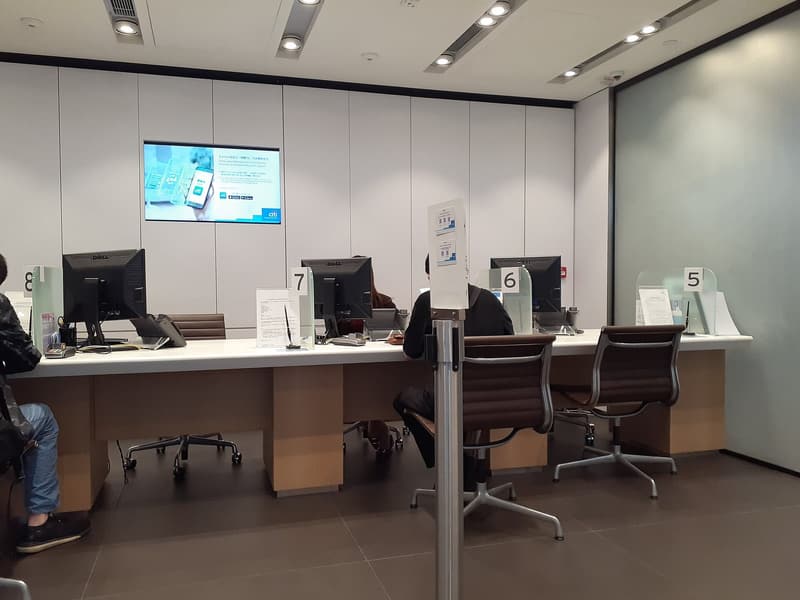
Representative photo · Photo: Fougihya Pohtd Qytmo / Wikimedia Commons, CC BY-SA 4.0
Citibank has updated its terms to hold customers accountable for actions taken by third-party AI agents, including instances where credentials are leaked or misused.
This is news, not investment advice. NexVani Media is not a SEBI-registered investment adviser and does not recommend buying or selling any security. Do your own research or consult a registered adviser before investing.
Citibank has recently revised its digital banking agreements, creating a new framework for how the institution manages the risks associated with third-party software. For many Citi customers, these changes mean that the bank will now treat actions performed by outside artificial intelligence agents as authorized by the account holder. This shift in policy is designed to address the growing complexity of automated tools that can navigate financial websites and initiate transactions on behalf of users.
Under the updated terms, if a user provides their login credentials to an external AI agent, they remain responsible for the outcomes. This applies even if the tool ignores specific user instructions, exceeds its intended permissions, or suffers a security breach that exposes private data to unauthorized parties. The bank stated that it is under no obligation to investigate whether an external agent followed a customer’s original prompts, provided the actions align with applicable law. These new rules do not apply to AI tools developed and offered by Citi itself.
Understanding Citi customers and AI risks
The move follows a notable security incident on October 22, when several major banks detected AI agents accessing customer accounts and performing actions that appeared to deviate from user intent. Because AI agents differ from standard chatbots by their ability to actively navigate financial records and execute payments, a technical error or a compromised login carries significant financial risk. In response, other institutions including JPMorgan, Bank of America, and PNC have also updated their digital policies to clarify the boundaries of account access and user responsibility.
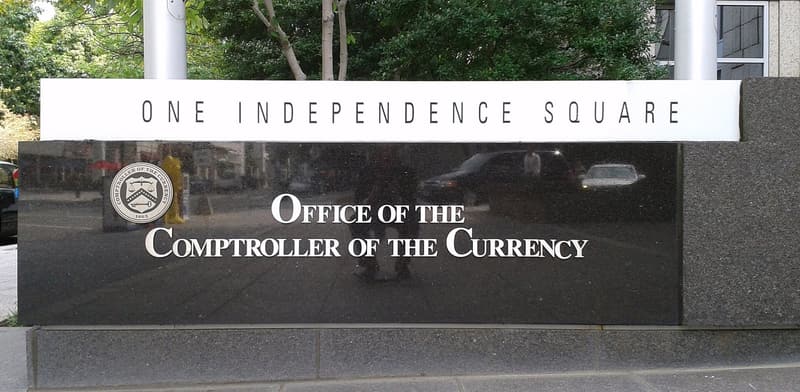
PNC has adopted a particularly strict approach, distinguishing between bank-approved connections and the direct sharing of passwords or one-time security codes. While the Office of the Comptroller of the Currency has issued guidance regarding AI agents and payment controls, this framework remains nonbinding. Importantly, Citi’s updated language does not automatically override federal consumer protection laws, which require banks to investigate unauthorized electronic transfers. However, the legal distinction between a theft by an outsider and a transaction authorized by a user-controlled AI remains a complex area of debate for regulators and financial institutions.
Customers are now liable for actions taken by third-party AI agents, even if those tools leak credentials.
Why it matters
This policy shift highlights the increasing tension between financial convenience and digital security. As customers rely more on automated tools to manage their finances, they face greater personal risk if those tools fail or are compromised.
For users, this means that granting third-party applications access to banking credentials may now result in a loss of protection for unauthorized transactions. It serves as a reminder to exercise caution when connecting external services to sensitive financial accounts, as the responsibility for software errors or security lapses is increasingly being shifted away from the bank and onto the individual.
Sources
More like this

Inside Bukele's Dinner with Bitcoiners in El Salvador
California Files Lawsuit Against OpenAI Over AI Agent Incidents

Strategy MSTR Shares Tumble for Sixth Straight Day as Bitcoin Dips