Can crypto trust firms compete with banks in US derivatives settlements?
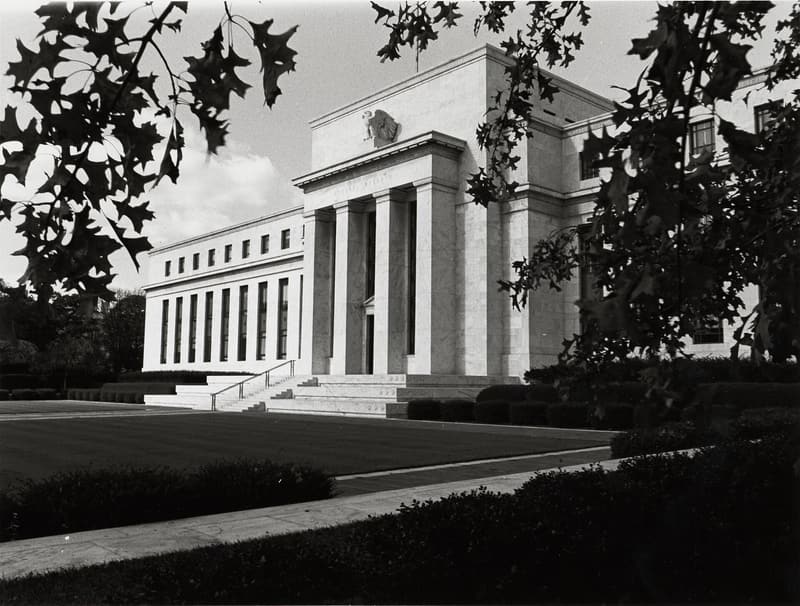
Representative photo · Photo: Federalreserve / Wikimedia Commons, Public domain
Crypto custodians seek a role in daily US derivatives settlements, facing regulatory uncertainty and pushback from traditional banking groups.
This is news, not investment advice. NexVani Media is not a SEBI-registered investment adviser and does not recommend buying or selling any security. Do your own research or consult a registered adviser before investing.
Digital asset companies are moving deeper into financial services traditionally dominated by banks, seeking a role in US derivatives settlements where billions of dollars change hands daily. This push comes as regulators expand the services trust companies can provide, even as traditional banking groups challenge parts of the regulatory framework governing crypto firms into banklike activities.
A November 5 decision by the Commodity Futures Trading Commission illustrates the shift, allowing derivatives clearinghouses to use trust companies for daily settlements with clearing members. Previously, this function was restricted to banks under agency regulations. The relief could create new business opportunities for regulated crypto custodians, but its revocable nature and changes in the political landscape raise questions about the durability of the regulatory opening.
The scale of the derivatives settlement business offers perspective on the opportunity. CME Group transferred an average of $8.7 billion per business day through its clearing systems during the first half of 2026, up from $6.7 billion a day in 2025. These figures represent funds transferred between clearing firms to settle gains and losses, illustrating the financial flows supported by infrastructure that trust companies could help provide.
The CFTC Division of Clearing and Risk issued no-action relief following a request from Nodal Clear, allowing clearinghouses to use trust companies for daily settlements if they meet the same evaluation and monitoring requirements applied to traditional banks. This addresses an inconsistency between federal commodities law, which permits customer funds to be held at banks or trust companies, and CFTC regulations defining settlement banks strictly as banks. Nodal Clear partnered with Coinbase in 2025 to integrate USDC into US futures trading, with Coinbase Custody Trust expected to provide daily settlement services.
Other crypto firms have also expanded institutional financial services. BitGo launched its Global Markets division combining derivatives trading, financing, collateral management, and settlement capabilities. Meanwhile, Coinbase's national trust bank charter took effect on November 6, allowing it to provide federally supervised digital asset custody services. Several other major crypto firms have also secured US national trust bank approvals from the Office of the Comptroller of the Currency.
Regulatory pushback and future uncertainty
The expansion of specialized trust companies has prompted objections from traditional banking groups. The Independent Community Bankers of America sued the OCC, arguing that national trust bank charter rules could allow crypto firms to conduct banklike activities without meeting all conventional requirements. Cody Carbone of The Digital Chamber noted that the CFTC relief does not put trust companies in a better or worse position than traditional banks, giving clearinghouses more options without preventing banks from retaining business.
Despite potential opportunities, the CFTC decision leaves questions about how securely trust companies can establish a long-term role. The agency issued a no-action letter rather than formally amending regulations, meaning staff will not recommend enforcement action if specified conditions are met. Unlike a formal rule amendment requiring public notice and comment, staff relief does not change underlying regulations and can be withdrawn by future agency leadership.
Crypto trust firms enter US derivatives settlements amid shifting regulations and banking pushback.
Why it matters
The integration of crypto trust firms into daily derivatives settlements marks a significant bridge between digital assets and traditional financial market infrastructure. While the regulatory opening creates new avenues for crypto custodians to handle billions in daily financial flows, the temporary nature of staff no-action letters and ongoing legal challenges from traditional banks highlight the uncertain path ahead for digital asset firms seeking parity with conventional financial institutions.
Sources
More like this

Trump Media Posts $410 Million Profit Driven by Crypto
Ava Labs Exec Says NYSE Deal Marks End of Blockchain’s General Purpose Era
Nvidia Erases 2026 Gains as Congressional Republicans Threaten CEO