AI Datacentres Plan On-Site Fossil Fuel Power Stations to Bypass Grid Delays
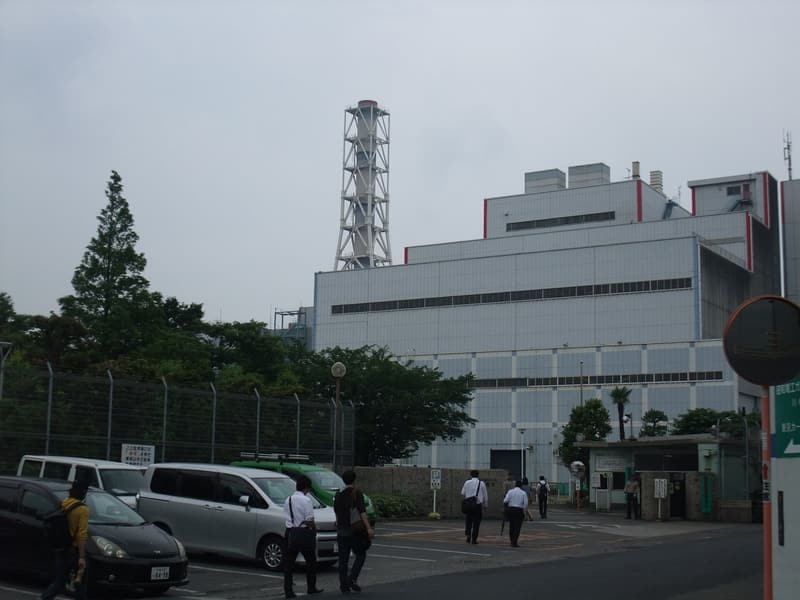
Representative photo · Photo: 電車(新幹線)でゴー! / Wikimedia Commons, CC BY-SA 4.0
New research reveals that developers of AI datacentres are planning massive on-site gas power plants to circumvent long wait times for national grid connections.
Developers of AI datacentres are increasingly turning to on-site fossil fuel power plants to meet their massive energy demands, according to new research. As global interest in Data centres planning policy sustainability and resilience intensifies, findings from BloombergNEF indicate that 181GW of gas-fired capacity has been proposed for facilities across the United States, the United Kingdom, and mainland Europe. This proposed capacity is nearly four times the total peak electricity demand of Great Britain.
AI datacentres require vast amounts of electricity to power servers, cool equipment, and run facility systems. With grid connection delays causing significant bottlenecks, developers are seeking "speed to power" solutions by building their own fossil fuel generators. Mark Daly, head of datacentres and emerging tech at BloombergNEF, noted that while developers claim these plants are temporary, the economic incentives might encourage long-term operation, creating a risk of fossil-fuel lock-in.
Massive on-site gas power proposals for AI datacentres threaten climate goals due to grid connection delays.
Environmental Impact of AI Energy Demands
The environmental consequences of this trend are substantial. If the planned rollout proceeds, it is estimated to emit approximately 345 million metric tonnes of carbon dioxide equivalent annually in the US alone, where 90% of these on-site gas stations are currently planned. This level of pollution is comparable to the yearly emissions from over 72 million fossil fuel cars. By 2035, the electricity demand for these facilities is projected to nearly quadruple to 2,354 terawatt-hours, representing 7% of global electricity demand.
In the UK, the pressure to secure power has led to over 100 inquiries regarding gas connections in the 2024-5 period. Projects such as Wapseys Wood and Quest Park are already seeking to build on-site stations, fast-tracked through government infrastructure regimes. Critics, including Oliver Hayes of Global Action Plan, have expressed concern that these projects undermine climate commitments, arguing that private gas plants should be a red line for governments.
Why it matters
The reliance on on-site fossil fuel generation represents a significant challenge to global decarbonization efforts. By bypassing traditional grid connections, developers risk locking in high-emission infrastructure for years, complicating the transition to cleaner energy sources. This shift impacts international climate policy and places pressure on national grids to modernize rapidly to accommodate the surging energy needs of the digital economy.
Sources
More like this

Nvidia Hires Law Firm to Investigate Jensen Huang Affair Reports

Tamil Nadu Library Scandal: Allegations of AI-Generated Books Emerge

November Pixel Drop: What Happened and Why It Matters