US drug prices leave patients facing impossible choices
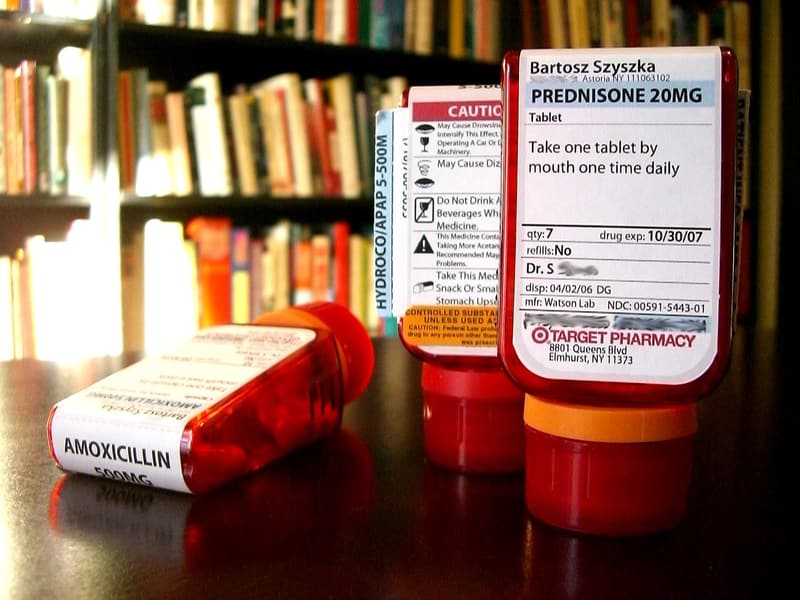
Representative photo · Photo: Bart from New York, USA / Wikimedia Commons, CC BY 2.0
High prescription costs in the US are forcing patients with chronic conditions to ration life-saving medication despite having health insurance.
Many Americans are struggling to navigate the complexities of drug prices in the us, where even those with stable employment and private insurance face significant barriers to accessing necessary treatments. For Sarah Wisniewski, a 45-year-old diagnosed with multiple sclerosis in 2017, the financial burden of managing her health nearly led to an extreme decision. Wisniewski and her sister, who also has MS, considered alternating months of taking their life-saving medication to manage costs that would otherwise reach thousands of dollars monthly.
Many Americans with health insurance are forced to ration medication due to high out-of-pocket costs.
Wisniewski’s experience is not isolated. Research from KFF indicates that more than four in 10 American adults reported skipping medication doses last year because of the cost. After her neurologist prescribed Kesimpta in 2024, Wisniewski faced a denial of coverage from her insurer, Blue Cross Blue Shield. It took three appeals and the threat of a state hearing before the insurer agreed to cover the drug, which had previously been billed at approximately $10,000 per month. While the medication has allowed her to return to an active lifestyle and maintain her demanding federal contracting job, she still pays between $800 and $900 monthly for her ongoing care.
Understanding the disparity in drug prices
The United States allows pharmaceutical companies significant latitude to set their own prices, a system that advocacy groups like Patients For Affordable Drugs Now describe as granting manufacturers unilateral power. Data from the nonpartisan RAND organization shows that US prescription drug prices are substantially higher than in other wealthy nations. Specifically, US manufacturers’ gross prices for all prescription drugs are 278 percent higher than the average in 33 other high-income countries, with brand-name drugs costing more than four times the comparison average. In contrast, the same medication Wisniewski takes is significantly cheaper in countries like Canada and Australia.
Industry representatives, such as the Pharmaceutical Research and Manufacturers of America, argue that pharmacy benefit managers and insurance companies are responsible for high costs. They claim these third-party middlemen control benefits through restrictive processes like prior authorization and formulary controls, which can limit patient access to prescribed treatments.
Why it matters
The current system creates a cycle where patients must prioritize medical expenses over other essential needs, such as local investments or community participation. This issue highlights a systemic gap in healthcare affordability that impacts the nation’s sickest residents, regardless of their employment status or insurance coverage.
Sources
More like this
Tamil Nadu and Sri Lanka Discuss Medical Education Cooperation

Anaemia India: Over half of women of reproductive age remain affected, most cases mild

Doula Thought Assistant Was Trained Before NSW Baby Death