Journalist Tomás Beltrán killed in Ecuador amid rising gang violence
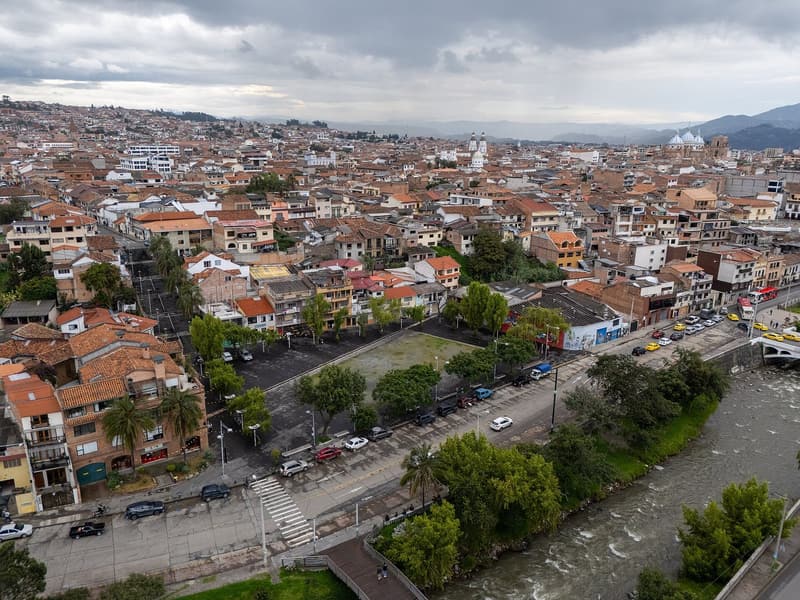
Representative photo · Photo: Pablo Zuñiga / Wikimedia Commons, CC BY 4.0
The murder of journalist Tomás Beltrán in Manabí highlights the severe risks faced by media workers in Ecuador as the nation struggles with spiralling gang-related violence.
The killing of journalist Tomás Beltrán has once again brought the dangerous environment for media professionals in Ecuador into sharp focus. Beltrán was shot dead on Sunday night while parking his car at his home in Calceta, a city located in the Manabí province. As authorities investigate the incident, the event serves as a grim reminder of why many are searching for Ecuador killing news in light of the country's rapid transformation into a hub for drug trafficking and organized crime.
The murder of Tomás Beltrán highlights the deteriorating safety conditions for journalists across Ecuador.
Beltrán managed a Facebook page dedicated to local news in Calceta, a region along the Pacific coast that has become a critical point for illicit drug trafficking routes. While police have provided limited information regarding the perpetrators, who fled the scene after the attack, the context of his death has raised alarm among press freedom advocates. Although it remains unconfirmed if the murder was directly linked to his professional work, Beltrán had previously reported on corruption allegations involving local authorities.
Artur Romeu, the Latin America director for Reporters Without Borders, noted that Beltrán had expressed fears for his safety months prior to his death. The organization had assisted in placing him in a government-run protection program, though its current status at the time of the shooting remains unclear. Reporters Without Borders has urged the public prosecutor to prioritize investigating any potential connection to his journalism and to ensure the safety of his family and colleagues.
A climate of fear and self-censorship
The situation for the press has reached a critical point, with the organization Fundación Periodistas Sin Cadenas (FPSC) reporting that at least 19 journalists have fled the country since 2023. María Fernanda Almeida, a project coordinator at FPSC, described journalism in the country as an extremely high-risk profession. She highlighted that last year saw the deaths of six journalists, all of which remain unpunished. This atmosphere of violence has led to widespread self-censorship, particularly in coastal provinces where reporters are increasingly reluctant to cover criminal activities due to threats against their lives and families.
Furthermore, journalists have faced pressure from the current administration. President Daniel Noboa’s “iron-fist” approach to gang violence has involved states of emergency and increased military presence, which human rights groups have criticized. Reports indicate that journalists covering these operations have faced intimidation, including the confiscation of equipment and threats from security forces. Additionally, there are claims that the government has pressured media organizations to dismiss critical voices, further complicating the landscape for independent reporting.
Why it matters
The death of Tomás Beltrán underscores the broader collapse of security in Ecuador, a nation once considered among the safest in Latin America. The systematic intimidation and killing of journalists threaten the public's right to information, effectively silencing reports on corruption and organized crime.
For international observers, this crisis reflects the global challenge of managing drug trafficking hubs. The erosion of press freedom in Ecuador serves as a warning of how quickly democratic institutions can be undermined when criminal organizations gain significant control over regional infrastructure.
Sources
More like this

British man identified as victim in tragic Kraków shooting
Gaza Floods: Palestinians Assess Damage After Deadly Sandbank Collapse

Virginia Man Convicted of Murdering Wife After Admitting to Dismemberment