Understanding EV Charging Rewards Programs in Canada
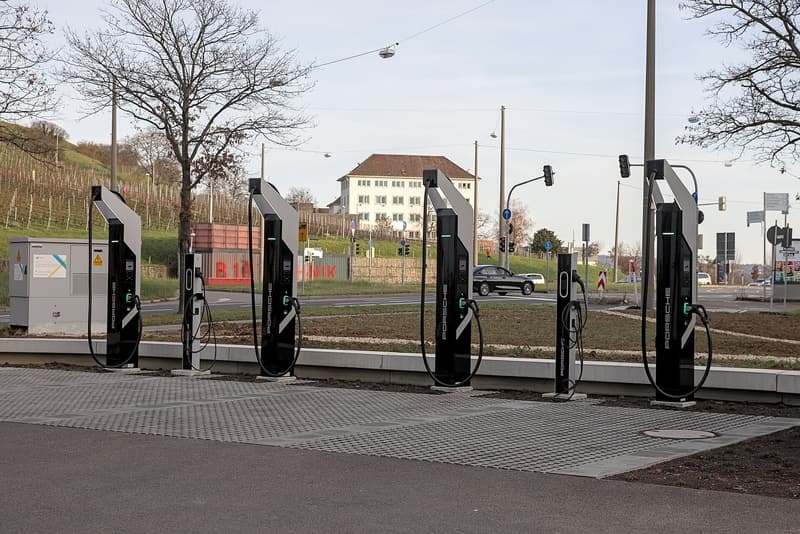
Representative photo · Photo: Alexander Migl / Wikimedia Commons, CC BY-SA 4.0
Canadian electric vehicle owners can earn financial rewards through private programs that leverage federal Clean Fuel Regulations by monetizing home charging data.
As electric vehicle adoption grows, many drivers are looking for ways to offset costs through an EV charging rewards program. These initiatives allow homeowners to earn financial compensation for the electricity used to charge their vehicles at home. It is important to note that these are private, third-party programs rather than government rebates. They function by aggregating charging data to generate credits under Canada’s federal Clean Fuel Regulations, which are then sold to fuel suppliers.
How EV charging rewards work
Individual drivers cannot register directly to create these federal credits. Instead, they must join a platform operated by a charging-network company that manages the data and claims the credits on behalf of the users. These operators then share a portion of the value with the participating driver. Because these are private programs, terms, payout rates, and hardware compatibility can change or be paused at any time. Operators typically require an internet-connected Level 2 charger to track kilowatt-hour (kWh) usage, as sessions logged while the charger is offline generally do not qualify for rewards.
Private programs allow EV owners to earn money by sharing home charging data under federal regulations.
Earnings depend heavily on annual usage. Industry estimates suggest that an average Canadian EV driver uses approximately 3,500 to 4,000 kWh annually for home charging. While some programs advertise high rates, most participants earn less, and many structures include tiered payouts where initial usage generates lower returns. Compatibility is also a critical factor; while some platforms support various wall connectors, others are limited to specific hardware and may not work with certain proprietary systems.
Participants must also navigate strict eligibility rules. Most programs prohibit "double-dipping," meaning a single charger cannot be registered with multiple programs within the same calendar year. Attempting to do so may result in disqualification from all involved programs. To switch providers, users must typically opt out of their current agreement by the end of December and wait until the following year to enroll in a new one. It is essential for consumers to confirm current rates, specific hardware compatibility, and payout terms directly with the operator before signing up.
Why it matters
These programs represent a shift in how energy consumption is monetized for individual consumers. By participating, homeowners can turn their routine charging habits into a small stream of income, provided they meet the specific technical and regional requirements. While these programs are not available for buildings with fewer than five units, they offer a way for single-family homeowners to benefit from federal environmental policies that incentivize the transition to cleaner fuel sources.
Sources
More like this

Heat Pump Efficiency: Understanding Your Home's Heat Loss

Storm Charles Causes Floods and Flight Cancellations Across Southern Europe

National Trust acquires land near Cambridge for nature restoration