Heavy rainfall in Gaza threatens power and healthcare access
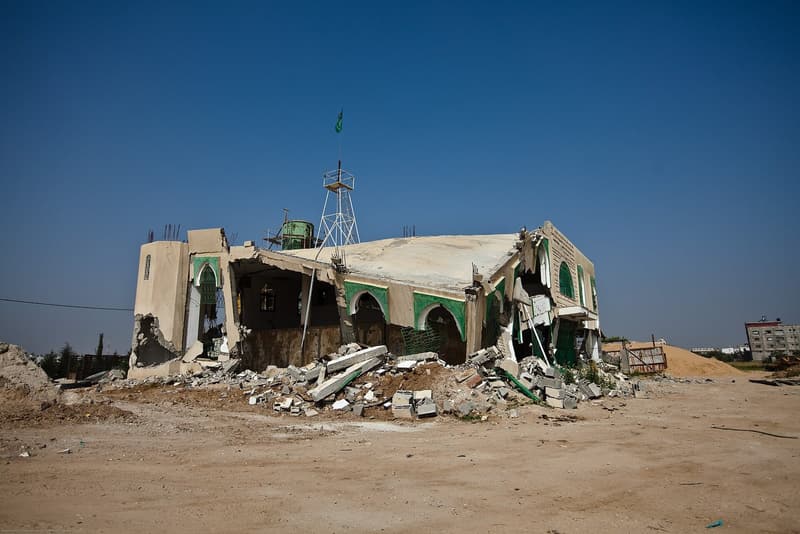
Representative photo · Photo: Marius Arnesen from Oslo, Norway / Wikimedia Commons, CC BY-SA 2.0
Recent heavy rainfall in Gaza is causing widespread damage to shelters and critical solar energy systems, further endangering the lives of displaced residents.
For residents in the Gaza Strip, the arrival of winter weather has brought new layers of hardship. As heavy rains continue to fall, many displaced families find that their makeshift shelters offer little protection against the elements. The situation is particularly dire for those living in tents or damaged buildings, where water seepage has destroyed personal belongings and critical infrastructure. Many people are searching for answers about what happens after every rainfall, as they struggle to manage the immediate consequences of flooding in their living spaces.
The impact of weather on energy
The destruction of infrastructure across the region has left most residents with limited access to electricity. Many have turned to small-scale solar power systems to charge phones and provide minimal lighting. However, these systems are highly vulnerable to water damage. Engineers report that rainwater often enters inverters and batteries, causing short circuits and corrosion. According to energy experts, malfunctions in these household solar units have increased by up to 50 percent following recent storms. Furthermore, cloudy conditions significantly reduce the efficiency of solar panels, leaving families without power for extended periods.
Heavy rains are destroying essential solar energy systems and compromising healthcare services for displaced Gazans.
Healthcare under pressure
The crisis extends to the health sector, where facilities are already operating under severe strain. Many clinics and hospitals have been forced to function out of temporary structures that are not adequately waterproofed. Experts warn that moisture from heavy rainfall poses a major threat to sensitive medical equipment, including oxygen generators, monitors, and laboratory devices. If these machines fail, the ability of medical staff to provide life-saving care will be severely diminished.
Local utility companies are also facing extreme obstacles. Despite efforts to insulate wires and protect equipment with tarpaulins, the scale of infrastructure damage caused by the ongoing conflict makes it nearly impossible to maintain consistent service. Many branches have been forced to suspend operations temporarily due to safety concerns regarding electrical shorts.
Why it matters
The combination of damaged housing and failing energy infrastructure creates a cycle of vulnerability for nearly a million displaced people. The loss of solar power not only affects daily communication but also directly threatens the functionality of portable medical equipment, putting patients at significant risk.
Sources
More like this
Humanitarian crisis in Gaza worsens as winter rains cause widespread destruction
Pope Leo XIV Addresses Digital Challenges and Gender Equality in Lima

Who gets to tell the world’s news? A look at early Global South media efforts