UK and Argentina Clash at Tribunal Over Falklands Oil Project
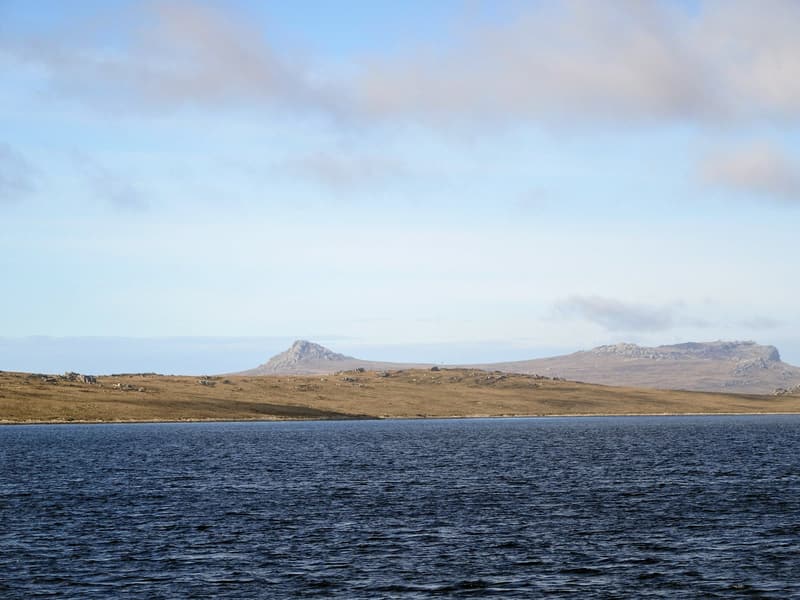
Representative photo · Photo: amanderson2 / Wikimedia Commons, CC BY 2.0
The UK is defending the Sea Lion oil project at an international tribunal as Argentina seeks to block the offshore development citing environmental and sovereignty concerns.
The United Kingdom has pledged to defend its interests in the Sea Lion oil project as Argentina initiates a legal challenge at the International Tribunal for the Law of the Sea (ITLOS). The dispute centers on an offshore exploration venture located approximately 220km from the Falkland Islands, which is currently administered by the UK. Many people often ask what Falklands means in the context of international maritime law, and this case highlights the complex intersection of territorial claims and resource development. The Hamburg-based tribunal is currently reviewing Argentina’s request for a provisional ruling to suspend the drilling operations.
The UK is defending the Sea Lion oil project against an Argentine legal challenge at an international tribunal.
Attorney General Ellie Reeves, representing the British government, argued that the project is vital for the economic future of the Falkland Islands. She stated that blocking the development would deprive the islanders of billions of pounds in potential revenue. The UK maintains that the hearing is strictly a legal matter regarding maritime rights and resources, rather than a debate on the sovereignty of the islands, which the UK has administered since 1833. The British position remains that the islands' status is not subject to negotiation.
The Sea Lion Development
The Sea Lion project is a joint venture between the UK’s Rockhopper Exploration and Israel’s Navitas Petroleum. According to data from Rockhopper, the field contains an estimated 1.7 billion barrels of oil in place, with 500 million barrels considered recoverable. Operations are scheduled to commence in March 2027, with full production expected by 2028. However, Argentine President Javier Milei has vowed to block the project, labeling the exploration as illegitimate. The Argentine government has initiated arbitration proceedings and threatened sanctions against companies participating in the development, arguing that it violates United Nations resolutions regarding unilateral actions in disputed territories.
During the tribunal proceedings, Argentina’s legal representative, Mario Oyarzabal, contended that the resources belong to the Argentine people. He argued that while the country respects the inhabitants of the islands, they do not possess the right to decide the state to which the territory belongs. The UK, conversely, emphasizes the right to self-determination, pointing to a 2013 referendum where islanders voted overwhelmingly to remain a British overseas territory.
Why it matters
This legal battle carries significant weight for the economic autonomy of the Falkland Islands and underscores the ongoing geopolitical friction between London and Buenos Aires. The tribunal’s eventual ruling will set a precedent for how natural resources in contested waters are managed.
For international observers, the outcome of this case will influence future energy projects in disputed maritime zones. The dispute highlights the challenges of balancing sovereign claims with the fundamental rights of local populations to develop their own natural resources.
Sources
More like this

Spain experiences first general strike in 14 years over housing crisis

Spain strikes over housing crisis ahead of election

A Palestinian-Russian Family’s Journey After Gaza Grad