Fewer than half in UK will pay TV licence fee within a decade, report warns
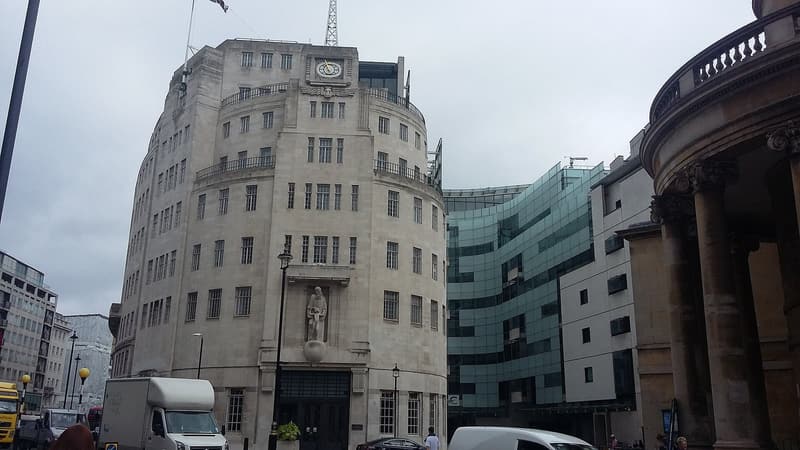
Representative photo · Photo: Les Hull / Wikimedia Commons, CC BY-SA 2.0
Independent analysis warns fewer than half of British households will pay the BBC licence fee within a decade as funding faces a spiral of decline.
Independent projections warn that fewer than half of households in Britain will pay the BBC television licence fee within a decade, placing the broadcaster's funding model into a spiral of decline. A report published by the Reset Tech thinktank, featuring analysis by media consultancy Oliver & Ohlbaum Associates, indicates that falling revenues will lead to reduced spending on content that attracts audiences.
Non-payment of the licence fee has accelerated from about nine percent of households in 2015 to approximately twenty-three percent last year. The projections suggest that more than half of households will not pay the fee by 2033-34, and that proportion could drop below a third by 2037-38 under the current government funding framework.
The BBC faces a spiral of decline as falling licence fee income threatens future content spending.
The research shows the corporation's licence fee income, which was paid by seventy-seven percent of households last year, could be worth less than half its current level in real terms by 2037-38. Spending on television content is projected to more than halve by the next charter review, while daily viewing per person via TV sets could fall from forty-six minutes in 2024-25 to twenty-three minutes by 2037-38. Real revenue is predicted to drop from three point eight billion pounds to one point six billion pounds.
The BBC remains the UK's most-used media brand, reaching ninety-four percent of adults monthly, but projections indicate YouTube could surpass BBC television set viewing in 2032-33. The broadcaster is already making staff and programme cuts amid rising television production costs, transforming viewing habits driven by streaming services, and a decade of licence fee freezes.
Culture Secretary Lisa Nandy is preparing to publish proposed funding changes before the end of the year, which could require anyone who watches streaming services to pay the levy. While the Treasury has ruled out a household levy as politically impossible, the BBC and government ministers acknowledge that the current system requires urgent reform.
Why it matters
The funding crisis facing the BBC highlights the severe economic pressures traditional public service broadcasters face as digital streaming platforms transform global media consumption habits. The proposed charter reforms could set a precedent for how public media organizations adapt their financing models when traditional subscription and levy revenues decline.
Sources
More like this
Unemployment to Surpass 5% as Treasurer Jim Chalmers Warns of Harder Times
What Poundland stores are closing? Future hangs in the balance
Energy bills rise for households as experts share tips to cut costs