Gaza Syndrome: Israeli Soldiers' Combat Trauma and the Absence of Remorse
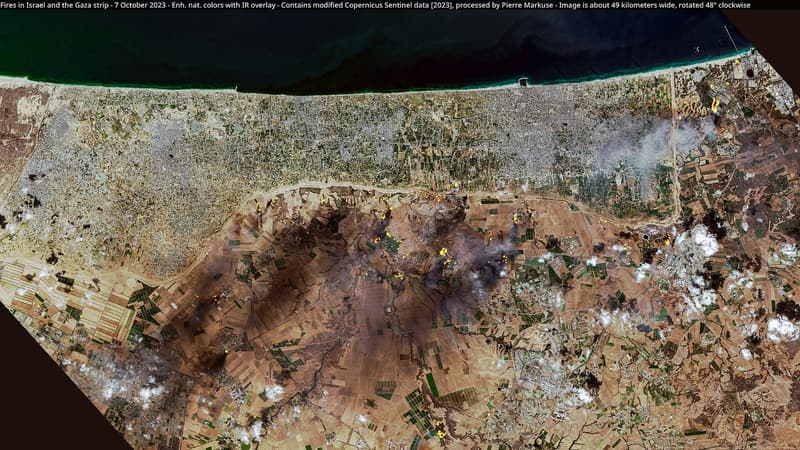
Representative photo · Photo: Pierre Markuse / Wikimedia Commons, CC BY 2.0
A documentary explores the psychological crisis among returning Israeli soldiers from Gaza, highlighting how combat trauma coexists with a lack of remorse.
A new documentary titled Gaza Syndrome examines the psychological toll experienced by Israeli soldiers serving in the ongoing conflict in Gaza. The film features hours of testimony from reservists and special forces veterans describing nightmares, panic, addiction, and the suicides of fellow troops. Despite facing severe trauma and combat stress, many of the soldiers interviewed express a desire to return to the fighting while remaining nearly silent about the devastating impact of the war on Palestinian civilians.
The human cost of the military campaign has fallen overwhelmingly on the population of Gaza. According to Al Jazeera reporting, Israeli forces have killed at least 74,700 Palestinians, including more than 21,000 children. In September 2025, an independent UN Commission of Inquiry concluded that Israeli authorities and security forces committed genocide in Gaza. Meanwhile, an Investigative Unit examination of thousands of soldiers' social media accounts documented widespread destruction, the abuse of detainees, and the use of human shields.
Combat trauma among Israeli soldiers exists alongside systemic denial, impunity, and a lack of remorse.
Data from the Israeli Defence Ministry indicates that nearly 30,000 wounded soldiers and security personnel have entered the rehabilitation system since October 7, with approximately 63 percent suffering from psychological injuries such as post-traumatic stress disorder and acute stress reactions. The Israeli army reported 22 soldier suicides in 2025. Scholars and trauma experts note that while Israeli society faces a severe psychological crisis, it lacks a corresponding moral crisis regarding violations of international law and the ongoing suffering in Gaza.
Why it matters
This crisis highlights the complex relationship between state violence, perpetrator trauma, and social impunity. As thousands of combatants return to civilian life with untreated psychological wounds, the phenomenon raises urgent questions about the societal impacts of prolonged military campaigns and the suppression of empathy in conflict zones.
Sources
More like this

Trump, Putin and Xi Jinping Meet at APEC Summit

London School Named World’s Best for Community Collaboration

Top Iran news: Determining the US blockade impact is too early