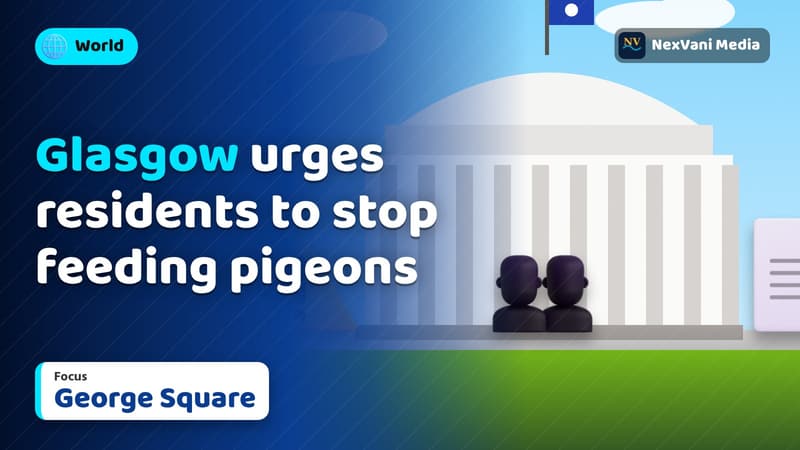
Glasgow Campaign Urges Residents to Stop Feeding Pigeons in Public Areas
Illustration: NexVani Media
Glasgow City Council is launching a new initiative to discourage residents from feeding pigeons due to rising public health concerns and cleanup costs.
Glasgow City Council has introduced a new initiative aimed at addressing the city's growing pigeon population. As part of a recent Glasgow campaign, local officials are urging residents and visitors to refrain from feeding birds in designated hotspot zones across the city. Authorities report that the practice leads to unnaturally large flocks, resulting in significant accumulations of droppings and increased maintenance expenditures.
According to council documentation, leaving food out for birds frequently attracts other unwanted pests such as rats, mice, and seagulls. Officials emphasize that while feeding wildlife is often perceived as an act of kindness, it creates unhygienic conditions and damages public infrastructure, including stonework, monuments, and roofing materials. Furthermore, pigeon droppings can harbour various pathogens, fungi, and parasites. Although individual infection risks are generally low, vulnerable groups such as young children, older adults, and those with respiratory conditions or weakened immune systems face heightened health risks.
Tackling the Pigeon Problem in Glasgow
To combat the issue, the local authority is rolling out a comprehensive action plan. This strategy includes a public awareness communications campaign, the installation of new warning signs in priority zones, and enhanced cleanup operations in key areas like George Square. Officials are also engaging with the Scottish Borders Council to examine potential regulatory frameworks, noting that any future byelaw addressing bird feeding would require a dedicated legal and consultation process.
To ensure compliance, uniformed enforcement officers will maintain a visible presence in affected locations. Their initial role will involve offering informal guidance to the public regarding the impact of feeding birds. Formal enforcement actions remain under review and could be implemented at a later stage if deemed necessary and legally supported.
Glasgow urges residents to stop feeding pigeons to tackle health risks and rising cleanup costs.
Why it matters
The local government's push highlights the growing financial and environmental strain that urban wildlife management places on municipal resources. Addressing pest control and infrastructure damage requires substantial public spending, which ultimately affects local taxpayers and property owners.
For residents, the shift in policy means greater restrictions in public spaces and increased awareness regarding urban hygiene. While the immediate measures focus on education and informal warnings, the potential introduction of formal byelaws signals a stricter regulatory approach to managing wildlife interactions in urban centers.
Sources
More like this

Life Under Siege: Voices From the Yemeni City of Taiz
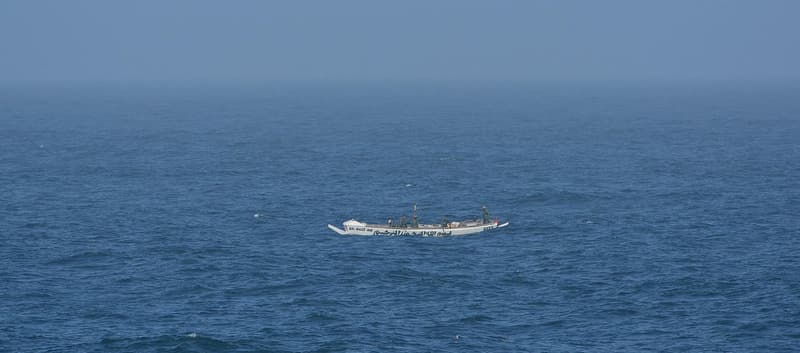
Four bodies recovered after Senegal boat capsizes amid migration surge
Florida and Texas Schedule Executions for Two Septuagenarians