Global Powers Spar Over Next UN Chief as Election Deadline Looms
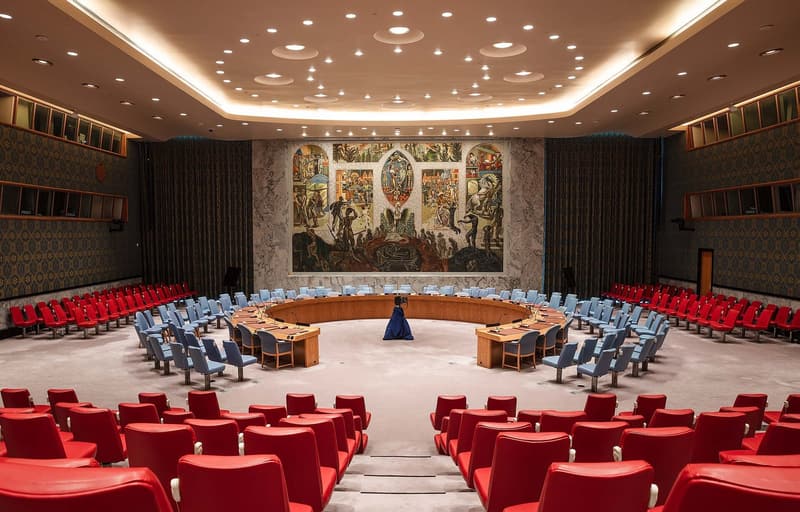
Representative photo · Photo: Wikiweeki / Wikimedia Commons, CC BY 4.0
The race to replace UN Secretary-General Antonio Guterres is intensifying, with geopolitical tensions threatening to delay the selection of the world's next top diplomat.
As the United Nations approaches the December 31 deadline for the departure of Secretary-General Antonio Guterres, the organization faces a period of intense uncertainty. Global powers are currently engaged in what feels like Rivals sparring as they navigate an opaque and highly competitive election process to determine who will lead the world's central diplomatic institution. With eight candidates currently in the running, the selection remains unresolved, raising concerns that the new year could begin without a confirmed successor to the outgoing chief.
The challenge of Rivals sparring in diplomacy
The position of UN Secretary-General is often described as the most difficult job in the world, requiring a unique blend of administrative skill, political acumen, and diplomatic mediation. Candidates are currently being scrutinized by the five permanent members of the UN Security Council (UNSC), who hold the power to veto any nominee. This year’s contest is complicated by deep-seated geopolitical rivalries that, according to experts, are more pronounced than in previous eras. The late entry of candidates like Emirati diplomat Lana Nusseibeh and Turkish nominee Feridun Sinirlioglu has further widened the field, leaving no clear frontrunner capable of securing universal approval from the P5 members.
The selection of the next UN Secretary-General remains uncertain as major powers exercise their veto rights.
Costa Rican diplomat Rebeca Grynspan has emerged as a leading contender in anonymous straw polls, including a recent survey where she received 12 favorable votes. Despite her status as a frontrunner, she faces potential opposition from both the United States and Russia. Grynspan’s tenure as head of the UN Conference on Trade and Development has involved navigating complex policy positions, including those regarding the Middle East and grain transport deals, which have drawn scrutiny from major powers. Other candidates, such as Rafael Grossi of the IAEA, also face challenges due to perceived political alignments, while several other nominees have struggled to gain sufficient support in the latest polling rounds.
Why it matters
The outcome of this election will define the future of multilateralism at a time when the UN is under significant financial and political strain. The inability to reach a consensus could leave the organization without leadership, impacting its ability to mediate global conflicts and manage its vast administrative staff. For the international community, including nations across South Asia, the selection process highlights the ongoing struggle for influence within the UN as it attempts to address global crises.
Sources
More like this
UK Government Considers New Appeal Routes for Special Needs Education Reform

Hackney Mayor Accuses Home Office of Free Speech Assault Over Tribune Event
Spain Heads to Polls in November as Far-Right Influence Grows