Heat Pumps: How Much Heat Does Your Home Really Need?
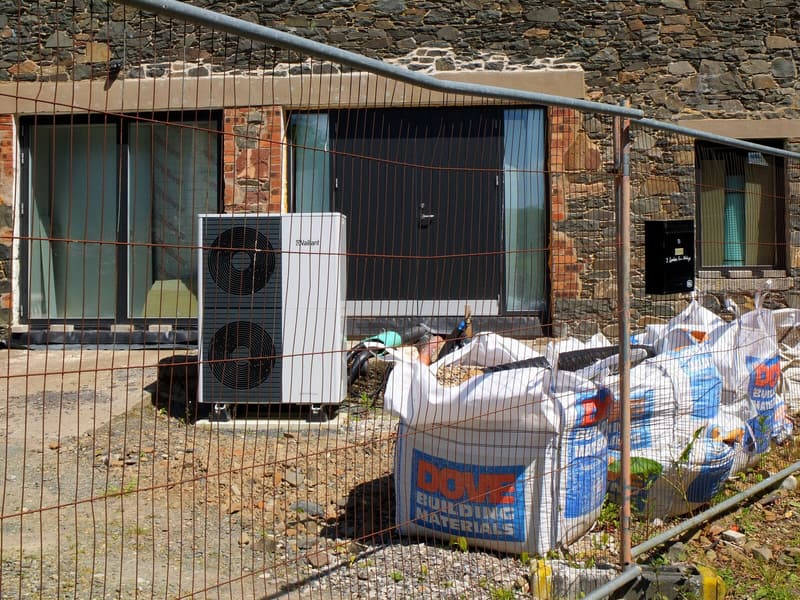
Representative photo · Photo: Jim Barton / Wikimedia Commons, CC BY-SA 2.0
Private homeowners are increasingly calculating their own domestic heat loss before installing new heating systems, according to industry experts.
Floorplans, air duct diagrams and heat pump specifications are usually avoided by people in the market for a new heating system. However, a growing trend shows that private homeowners want to dive into these technical details in extreme depth. When choosing a heating system, buyers can face a bombardment of information regarding the power requirements of a heat pump, making it difficult to simply take a tradesperson at their word.
As an overall trend, industry figures note that homeowners are better informed and want to conduct calculations independently. A heat loss calculation defines how much heat a property loses during cold weather, measured in watts and worked out room by room. This metric is crucial for heat pumps, which require precise sizing based on projected heat loss. If the calculation is incorrect, the device may perform poorly or leave the property underpowered.
Some individuals are turning to artificial intelligence, though experts warn this can introduce misinformation. Meanwhile, studies examining heat loss calculations provided by tradespeople to US homeowners found that design heat loads were frequently overestimated by a factor of two or more, leading to oversized systems that consume excess energy and create uncomfortable temperature fluctuations. Survey costs charged by professionals have also sparked anxiety among buyers.
Various free or partially free web applications, such as Cool Calc, AutoHVAC and Heatpunk, allow users to draw floor plans and input property data to estimate thermal performance. While these tools serve as effective marketing methods for suppliers, company directors suggest that initial self-surveys by homeowners could reduce the time professional engineers spend analysing properties on-site.
Despite the rise of digital estimating tools, researchers emphasize that professional engineers remain essential for proper system design and installation. Providing customers with clear evidence and post-installation performance data is viewed as the best way to ensure heating systems operate as expected.
Why it matters
Knowing how much heat your home loses is important before installing a new heating system, as accurate calculations prevent inefficient energy use and uncomfortable temperature swings.
Sources
More like this

Pope Leo XIV demands justice for Amazon defenders in Peru

Huge California waves batter coast and flood streets

Sustainable Travel Gains Ground as Latin America Tackles Overtourism