Climate
Labour MPs Rosebank Rebellion Expected to Top 100
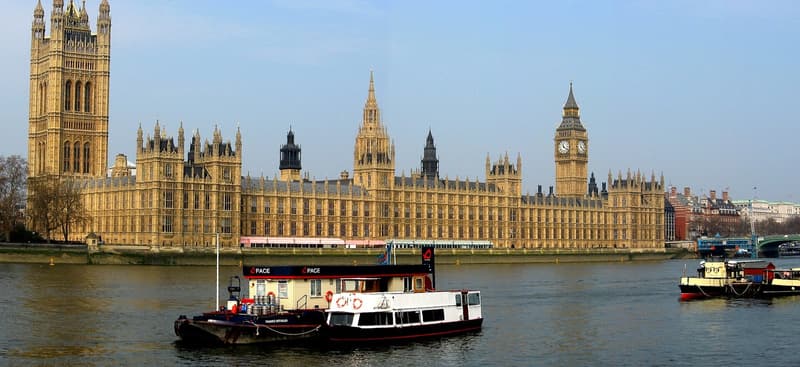
Representative photo · Photo: reverendlukewarm / Wikimedia Commons, CC BY-SA 2.0
Representative photo · Photo: reverendlukewarm / Wikimedia Commons, CC BY-SA 2.0
As many as 100 Labour MPs could sign a letter opposing the giant Rosebank oilfield amid growing political tensions.
Discontent among backbenchers is projected to surge this week as a labour mps rosebank rebellion is expected to attract over 100 signatures opposing the giant oilfield off the Scottish coast. Currently, 75 parliamentarians have already endorsed a private letter that will be delivered to Andy Burnham in the coming fortnight. This campaign features prominent participation from the party's 2024 intake.
Energy Secretary Miatta Fahnbulleh is reportedly inclined to reject the controversial project, yet she could face an override from the prime minister amid a cabinet split. Chancellor John Healy remains in favor of the development. Proponents of the letter argue that proceeding with drilling would severely damage Britain's international climate credibility while failing to lower household energy bills. Meanwhile, the energy firm operating the site stated that the nearby Jackdaw field has begun producing gas to boost winter energy resources.
Additional political flashpoints are compounding government pressures. Simultaneous debates are emerging regarding European relations and Alan Milburn's proposals for out-of-work benefits targeted at young people. Organisers of the Rosebank opposition include the environmental group Sera, alongside various party members and ministers.
Rosebank oilfield opposition grows as Labour backbench rebellions threaten to surpass 100 MPs.
Backing for the oil project also comes from influential trade unions such as the GMB and Unite. These unions have expressed concern over discussions regarding potential European Union re-alignment. Government representatives maintain that their decision-making process concerning the development remains strictly quasi-judicial and aligned with national carbon budgets.