Houthi threat and Iran war reshape Saudi Arabia's security priorities
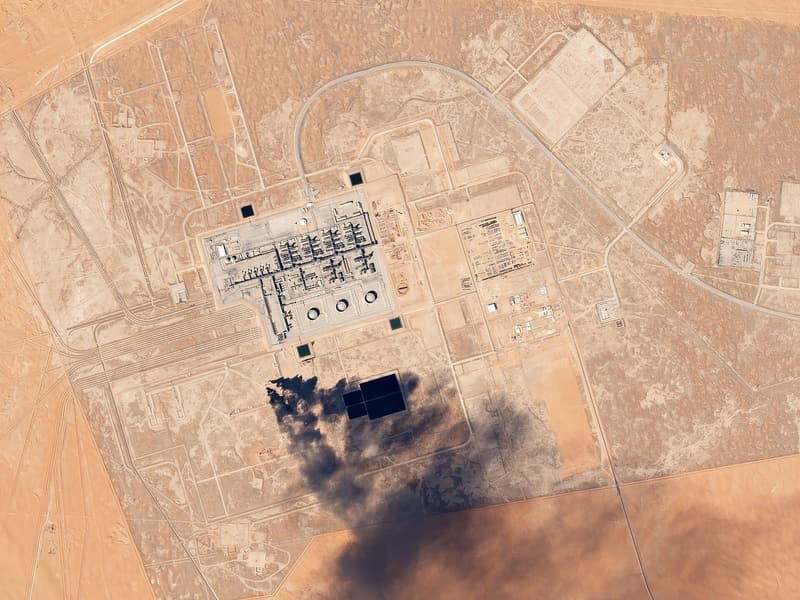
Representative photo · Photo: Planet Labs, Inc. / Wikimedia Commons, CC BY-SA 4.0
Saudi Arabia is reshaping its security priorities and strengthening regional and international military partnerships as the Houthi and Iran threat grows.
Saudi Arabia is actively reshaping its security priorities as a growing Houthi missile and drone threat leaves the kingdom increasingly exposed to spillover from the wider US-Iran conflict. Amid escalating hostilities in Yemen, Riyadh has sought defensive and offensive support from a broad range of regional and international partners to protect its vast territory, energy sites, and civilian infrastructure.
International and regional allies have responded with deployments and military agreements. The UK announced it would provide RAF Typhoon fighter jets for defensive counter-air missions following attacks on Aramco facilities and King Khalid International Airport. Meanwhile, France, Greece, Italy, and the US have provided air-defence systems, radars, and Patriot batteries. In the region, Egypt has confirmed a military presence, with personnel deployed alongside armoured vehicles and Amoun air-defence systems to defend sensitive sites, including Makkah and Madinah. Syria has also signed a defence agreement covering training and military consultation, while defence pacts with Turkey, Pakistan, and continued engagement from Sudan highlight Riyadh's expanding network of security alliances.
Riyadh requests military equipment and capabilities rather than foreign troop deployments from allies.
Houthi Iran War and Regional Strategy
The deepening co-operation reflects a strategic recalibration for Saudi Arabia and its partners. Egypt's involvement marks a shift from a cautious observer to an active participant, driven partly by concerns over how Houthi actions endanger shipping routes near the Suez Canal. Similarly, Syrian officials have discussed rebuilding the Syrian army through Saudi expertise, though questions remain regarding potential deployments of regular troops abroad versus irregular fighters. A Saudi source with government links emphasized that requests for military assistance focus primarily on equipment and capabilities to reinforce defensive infrastructure rather than the physical deployment of foreign ground troops inside the kingdom.
Why it matters
The shifting security dynamics in the Middle East highlight the vulnerability of critical global energy infrastructure and trade routes. As regional powers adjust their military postures and deepen alliances to counter threats stemming from the houthi iran war, the stability of the entire region faces renewed pressure with direct implications for international commerce and regional security.
Sources
More like this
Iran Claims Attack on US Radar Site in Bahrain

Australian Teen Survives Six Nights in Bush Eating Chips and Drinking Creek Water

Spanish Court Suspends Far-Right Group Nucleo Nacional