US President Trump Considers Military Intervention to Topple Cuba Authorities
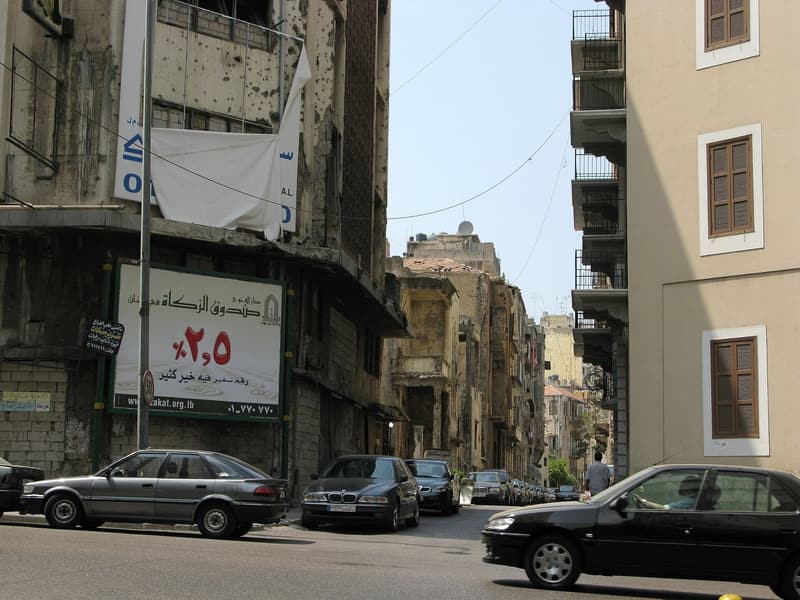
Representative photo · Photo: Geraldshields11 / Wikimedia Commons, CC BY-SA 4.0
President Donald Trump has suggested he would consider military force to resolve the situation in Cuba before his term ends in 2029.
In a recent discussion regarding Trump Cuba news, President Donald Trump stated he would "certainly consider" using military force against the island nation. During a radio interview on Thursday with Hugh Hewitt of the Salem News Channel, the president expressed his desire to "get Cuba done" before his departure from office in 2029. This marks the first time the president has publicly attached a specific timeline to a potential military operation against the country.
Trump Cuba news and military considerations
The president characterized the island as a "failed" nation and noted that his administration is monitoring the situation closely. He suggested that Secretary of State Marco Rubio, whose parents are Cuban, would be eager to assist in such an endeavor. Trump emphasized his desire to act on behalf of the Cuban community in the United States, citing his strong support among Cuban voters in Florida. While he has frequently threatened to remove the current authorities in Cuba, his latest comments add a new layer of urgency to the administration's stance.
Since taking office, the administration has maintained significant pressure on the island. In January, the U.S. implemented a de facto oil blockade following the seizure of Venezuelan President Nicolas Maduro and the subsequent restriction of Venezuelan fuel shipments to Cuba. This policy, supported by an executive order labeling the nation an "unusual and extraordinary threat," has resulted in severe fuel and food shortages, as well as recurring nationwide blackouts. The U.S. has also imposed various sanctions on state-owned oil companies, government officials, and relatives of former leader Raul Castro, for whom an arrest warrant has been issued. Most recently, new sanctions were announced targeting ten individuals and entities linked to the military and oil sectors.
Despite the aggressive rhetoric, the practical reality remains uncertain. In March, the head of the U.S. Southern Command informed senators that American troops were not actively rehearsing for an invasion of the island. Although officials from both nations have engaged in talks regarding the blockade, the Cuban foreign minister stated in June that no meaningful progress had been achieved. Trump has previously mentioned that he believes he would have the "honour of taking Cuba," specifically referencing the collapse of the island's power grid earlier this year.
President Trump has indicated he would consider military intervention to topple the current authorities in Cuba.
Why it matters
The potential for military intervention in Cuba represents a significant escalation in U.S.-Cuba relations, signaling a departure from diplomatic efforts toward direct confrontation. This policy shift directly impacts the stability of the Caribbean region and the humanitarian conditions for the Cuban population.
For readers in India and South Asia, this development highlights the ongoing volatility in international relations and the potential for shifts in global energy and trade security. The use of oil blockades as a geopolitical tool underscores the interconnected nature of global markets and the humanitarian consequences that can arise from such sanctions.
Sources
More like this

Australian Teen Survives Six Nights in Bush Eating Chips and Drinking Creek Water
Spanish Court Suspends Far-Right Group Nucleo Nacional

Finland Detects Strike on Russian Warship Amid Diplomatic Moves