Nvidia Scandal Puts Pressure on White House Over China Export Controls
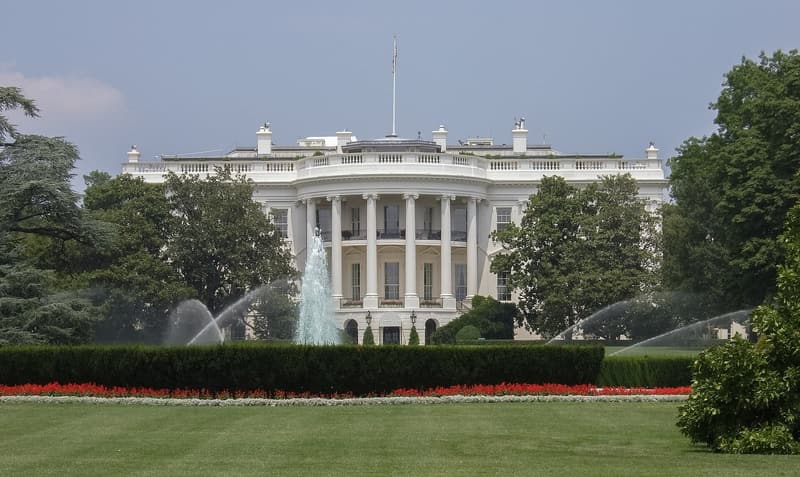
Representative photo · Photo: Diego Delso / Wikimedia Commons, CC BY-SA 3.0
Allegations surrounding former Nvidia CEO Jensen Huang have triggered a congressional probe into US export controls and the administration's China policy.
The intersection of corporate interests and national security has come under intense scrutiny as people ask how Nvidia makes chips and navigates complex global trade regulations. Former Nvidia CEO Jensen Huang, once a close advisor to President Trump, is now at the center of a scandal involving an alleged affair with Alice Huang, a former executive at the Singapore-based firm Megaspeed. US intelligence officials have reportedly raised concerns that Alice Huang may have ties to Chinese intelligence, suggesting a potential foreign influence operation targeting a key American business leader with direct access to the White House.
Nvidia, a central player in the global AI revolution, has long faced challenges regarding the export of its advanced processors to China. While Washington has implemented strict limitations since 2022 to prevent Beijing from bolstering its military capabilities, enforcement remains complex. Chips are frequently diverted through third-party nations or accessed via overseas data centers. Jensen Huang had consistently lobbied against these restrictions, arguing they stifle market access and incentivize Chinese firms to develop domestic alternatives. Trump had previously permitted limited sales, though the most advanced Blackwell processors remain restricted.
How Nvidia makes chips and trade policy collide
The controversy has shifted focus toward Commerce Secretary Howard Lutnick, whose department oversees export controls. Reports indicate that Lutnick received a classified memo detailing concerns about Megaspeed, a company suspected of facilitating chip diversions to China. Despite pressure from other officials, such as Treasury Secretary Scott Bessent, to blacklist the firm, Lutnick resisted taking action. Further complicating matters, investigators reportedly froze a probe into Megaspeed after Nvidia’s general counsel intervened, citing a senior Trump appointee. The case was subsequently transferred to the Justice Department.
In response to the growing scandal, congressional leaders from both parties are demanding answers. Democrats are investigating the vetting processes for AI chip buyers, while Republicans are questioning the administration's broader approach to China. Representative John Moolenaar emphasized that while American tech success is vital, national security must not be compromised. Meanwhile, Jensen Huang has agreed to testify before Congress behind closed doors regarding the allegations. Despite reports of potential staff changes, the White House has publicly maintained its support for Lutnick, labeling him a transformative figure in the administration.
The scandal involving Jensen Huang has sparked a high-level investigation into US export controls and national security.
Why it matters
This situation highlights a fundamental tension between maintaining American technological dominance and managing national security risks in the AI era. The scrutiny of the Commerce Department's decision-making processes could lead to more rigid export oversight, potentially impacting global supply chains and the operations of international firms that rely on American hardware.
Sources
More like this

India Cancels Visa of Norwegian Journalist Who Questioned Prime Minister Modi
Senator Van Hollen challenges Chuck Schumer for Democratic leadership

Former NSW Liberal MP Rory Amon found guilty of raping 13-year-old boy