Hyderabad Plans 35-km Pod Car Network to Ease Traffic and Link Metro
Illustration: NexVani Media
The Telangana government is planning a 35-kilometre driverless pod car network to reduce congestion in Hyderabad’s IT corridor and improve connectivity with the existing metro system.
The Telangana government has unveiled a proposal to construct a 35-kilometre rapid transit network featuring driverless pod cars to address traffic congestion in the city's IT corridor. This initiative aims to integrate seamlessly with the existing Hyderabad Metro Rail, providing commuters with a more efficient transit alternative. Officials from the Hyderabad Metro Rail Limited (HMRL) presented the plan to Chief Secretary Sanjay Jaju during a meeting at the Secretariat on November 18.
Expanding the Hyderabad Metro Rail network
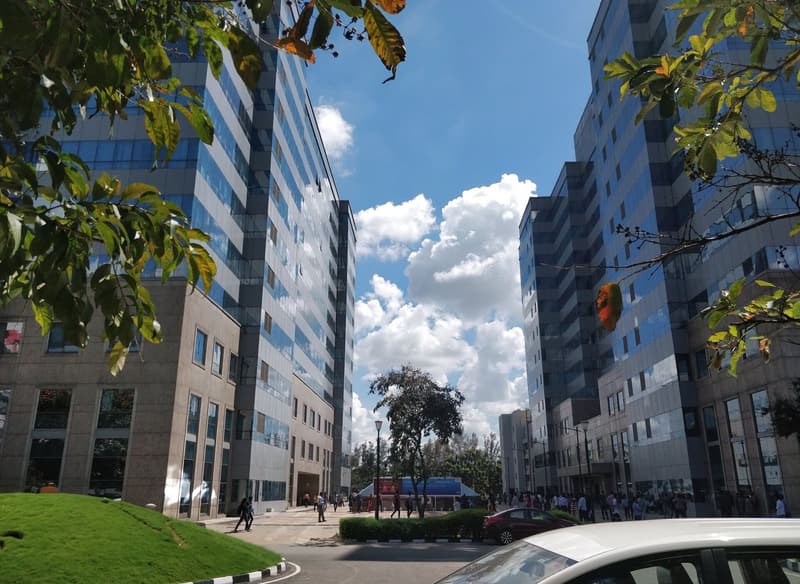
The proposed Personal Rapid Transit System (PRTS) will serve as a vital link for those who rely on the Hyderabad Metro Rail for their daily commute. The first phase of the project is slated to run from Kukatpally to Knowledge City, passing through key areas like Raidurgam and Biodiversity Park, with 64 stations planned along the route. This development follows a directive from Chief Minister Revanth Reddy, who has emphasized the need for innovative solutions to manage the city’s growing traffic demands. The Chief Secretary has requested that officials finalize a route map and action plan that prioritizes passenger needs and traffic density.
The Telangana government plans a 35-km driverless pod car network to reduce traffic in Hyderabad's IT corridor.
HMRL conducted a techno-economic feasibility study for the project, which is envisioned to operate under a public-private partnership model. Projections suggest that commuter demand for the system could reach 3.94 lakh by 2030, climbing to nearly 10 lakh by 2050. The system utilizes small electric pods operating on elevated tracks. HMRL is also exploring Group Rapid Transit options to ensure the new network complements existing RTC bus services and the metro infrastructure.
To ensure the project is executed effectively, the Chief Secretary has called for inter-departmental coordination involving the police, energy, and municipal authorities, alongside the Hyderabad Disaster Response and Asset Protection Agency. Officials have been instructed to accelerate consultations with technical experts and potential partners. The Chief Minister previously directed that a specific corridor from KPHB Metro station to the Biodiversity Metro station be prioritized, with a target to finalize tenders by December and complete the line within one year.
Why it matters
This project represents a significant shift in urban mobility for Hyderabad, aiming to bridge the gap between major transit hubs and the city's dense IT corridor. By integrating advanced pod technology with the current rail and bus network, the government hopes to provide a scalable solution to the rising commuter numbers expected over the next few decades.
For residents and daily commuters, this development signifies a potential reduction in travel time and improved connectivity across the city’s busiest commercial zones. The focus on cost-effective infrastructure and utilizing existing transport assets highlights a strategic approach to long-term urban planning in South Asia's rapidly growing metropolitan areas.
Sources
More like this
Google driverless car faces scrutiny after stalling in floodwaters
Waymo Suspends Driverless Freeway Rides After California Safety Ban
Mike Lynch yacht sinking report reveals previously unknown wind vulnerability