NSW Government Reforms Fall Short of ICAC Recommendations on Lobbying
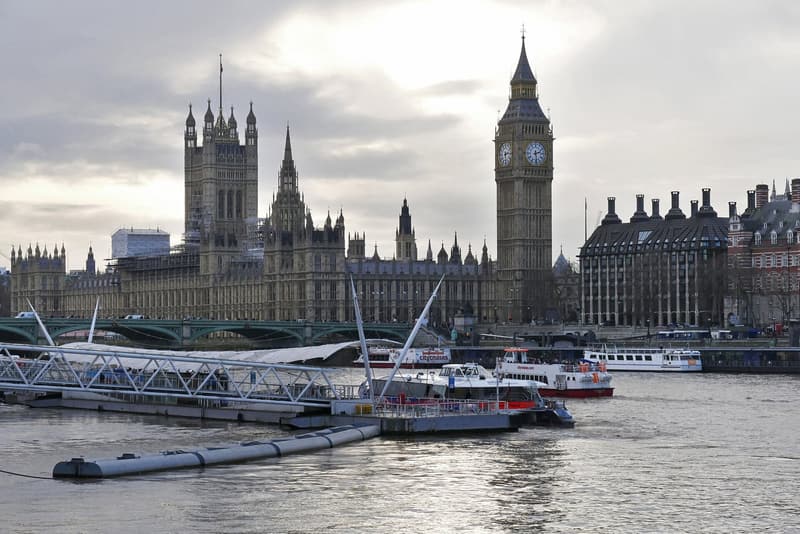
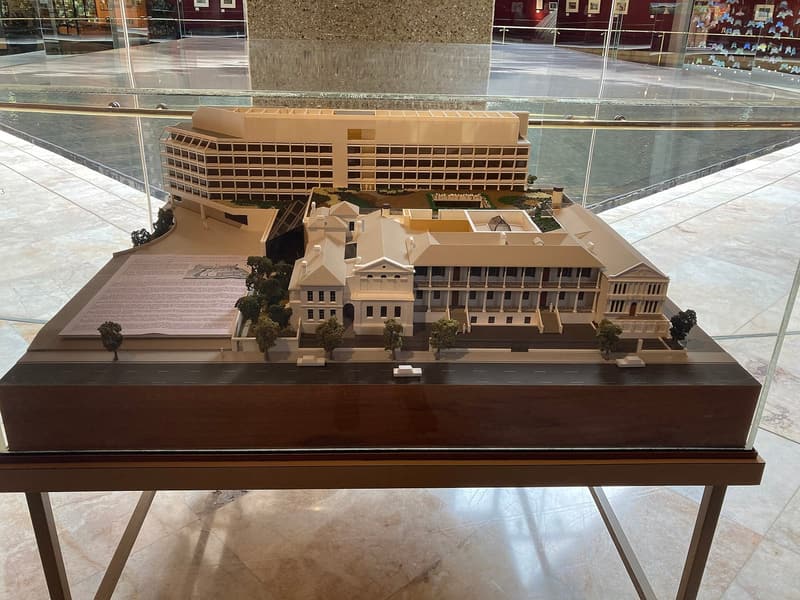
Representative photo · Photo: DraftSaturn15 / Wikimedia Commons, CC BY 4.0
Recent ICAC NSW investigations into political influence have prompted new legislation, but critics argue the reforms fail to address key lobbying loopholes.
The New South Wales corruption watchdog, known as the ICAC NSW, has recently concluded its Operation Rosny inquiry, exposing the significant influence of undeclared lobbyists within the state's corridors of power. The investigation revealed how a group of right-wing Liberal operatives, referred to as 'the Reformers,' allegedly utilized their former staffer connections to advance the interests of developer Jean Nassif. Despite the gravity of these findings, the government's current legislative response is being criticized for falling well short of recommendations made by the commission five years ago.
Operation Rosny highlighted a systemic issue where individuals acted as 'guns for hire' while maintaining close personal access to bureaucrats and politicians. Of the operatives involved, only one was a registered lobbyist subject to formal disclosure rules. The inquiry alleged that these figures were paid millions by developers to influence political outcomes, often without the knowledge of their own party colleagues. While Charles Perrottet, one of the named individuals, has denied taking payments for political outcomes, the case underscored the ease with which former staffers can navigate government circles.
New legislation fails to address major lobbying loopholes identified by the corruption watchdog five years ago.
Addressing the lobbying gap
The NSW Labor government has introduced a bill to regulate third-party lobbyists, aiming to grant the NSW Electoral Commission powers to audit compliance with the Lobbying of Government Officials Act. This legislation would extend requirements to include interactions with local councils, a gap previously identified by the ICAC. However, the bill ignores critical recommendations, most notably regarding in-house lobbyists. These 'government relations' specialists, who represent approximately 80% of those lobbying in parliament, remain exempt from the disclosure regime, as the government argues that registering them would create unnecessary red tape.
Furthermore, the proposed changes do not cover interactions with key ministerial staff, such as chiefs of staff, despite evidence that these roles serve as vital conduits for influence. While the government plans to make ministerial diaries more transparent, the omission of in-house staff from formal record-keeping requirements leaves significant concerns regarding the true extent of influence peddling within the state government.
Why it matters
This legislative move represents an attempt to curb the influence of undeclared lobbyists, yet it leaves substantial gaps in oversight. By failing to regulate in-house corporate lobbyists and interactions with ministerial staff, the government risks maintaining a system where political influence remains opaque, potentially affecting public trust in democratic institutions.
Sources
More like this
Andy Burnham Claims Win-Win Situation Possible in Upcoming EU-UK Negotiations

Democrats gather in Denver to debate party’s future after US midterm wins
Exonerated Death Row Prisoners Urge Governor-Elect Byron Donalds to Halt Executions