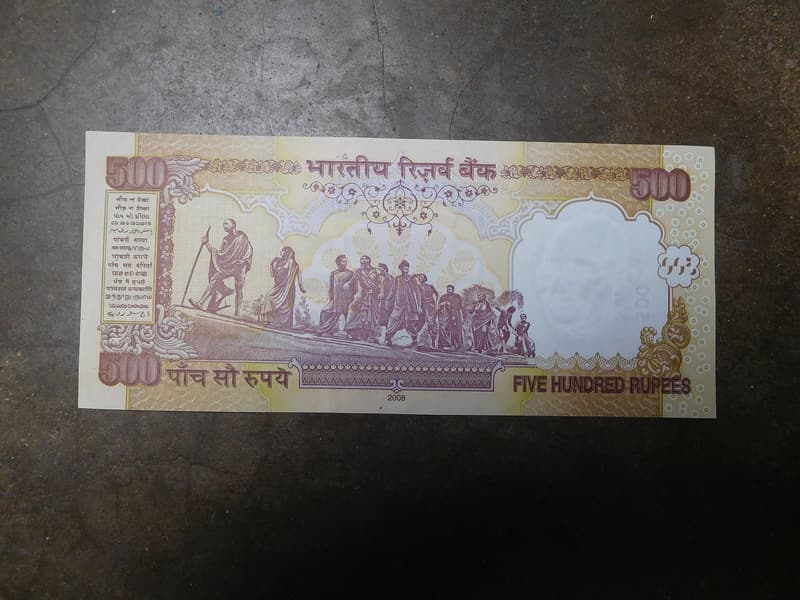
India demonetization: 10 years on and promises remain unfulfilled
Representative photo · Photo: Reserve Bank of India / Teacher1943 / Wikimedia Commons, CC BY-SA 4.0
Ten years after the 2016 currency ban, its impact on the economy and the fight against illicit wealth remains widely contested.
Ten years ago, a surprise televised announcement by Prime Minister Narendra Modi radically altered the country's financial landscape. The initiative, commonly referred to in searches about india demonetization, involved withdrawing all 500- and 1,000-rupee notes from circulation overnight on November 8, 2016. This singular action instantly invalidated nearly 87% of the total currency value circulating through the nation at the time. Citizens were asked to endure severe hardship as a grand sacrifice aimed at rooting out corruption, counterfeit money, and terrorist financing while cleansing the economy.
Millions of people faced immense distress as they stood in endless lines outside banks and financial institutions to swap their savings. The sudden cash shortage caused severe disruptions across society, severely hurting daily wage earners and small enterprises that relied heavily on physical currency. Vulnerable populations, particularly in rural areas and those without access to traditional banking services, struggled greatly to secure funds for everyday needs, family celebrations, and medical emergencies. Observers noted that the severe economic shock disproportionately targeted the informal sector while failing to address the core structures of illicit wealth.
The 2016 currency ban failed to make a significant dent in black money.
India demonetization impact
Supporters of the policy initially argued that forcing physical currency into formal banking channels would expand the tax base and modernize the financial system. However, subsequent official data revealed that 99.3% of the invalidated banknotes successfully returned to the banking system, undermining expectations that large amounts of undeclared cash would simply vanish. Academic researchers examining the long-term data concluded that the policy yielded only modest gains regarding its primary targets while imposing heavy temporary and structural costs on the cash-dependent informal economy.
Experts pointed out that the entire premise of the exercise was built on a flawed understanding of how unaccounted wealth is typically stored. Rather than sitting in cash reserves, much of the illicit capital in the country remains tied up in tangible assets like real estate, gold, and offshore accounts. A decade after the dramatic announcement, economists and financial watchdogs emphasize that the move produced little lasting alteration in how undeclared fortunes are generated or concealed.
Why it matters
A decade after the 2016 currency ban, its legacy remains a subject of intense debate regarding economic policy and institutional accountability in South Asia. The event serves as a major case study on the heavy human and economic tolls borne by vulnerable populations when sweeping financial interventions are implemented without adequate preparation or a clear understanding of informal markets.
Sources
More like this

Poundland unable to buy new stock as collapse fears grow

KFC to Open First Italian Ski Slope Restaurants in the Dolomites

Thames Water Seeks Creditor Agreement to Extend Debt Repayment Deadline