Magnitude 5.7 Earthquake Hits Central Japan, Injuring Over 20 People
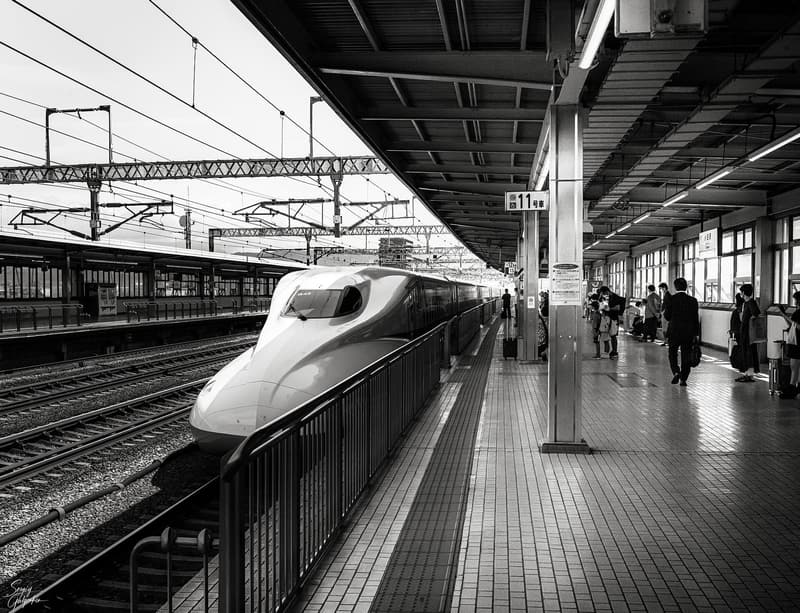
Representative photo · Photo: Sergiy Galyonkin from Raleigh, USA / Wikimedia Commons, CC BY-SA 2.0
A magnitude 5.7 earthquake hit central Japan on Sunday, leaving more than 20 people injured and causing transit delays while officials warn of potential aftershocks.
A strong earthquake in Japan injured more than 20 individuals when it rattled the central region of the country early Sunday morning, breaking retail windows and prompting residents to rush outdoors.
According to the Japan Meteorological Agency, the magnitude 5.7 tremor occurred at 1:04 a.m. local time on Sunday (16:00 GMT Saturday). It originated at an approximate depth of 40 kilometres within western Shizuoka Prefecture. Due to the distance from the epicentre, the seismic activity was not felt in Tokyo.
A magnitude 5.7 earthquake injured more than 20 people across central Japan and disrupted regional rail services.
Impact Across Central Prefectures Following Earthquake Japan News
Regional authorities reported that over 20 people sustained injuries across both Shizuoka and Aichi prefectures. Several injuries happened when individuals tumbled down flights of stairs during attempts to evacuate structures. Broadcasters displayed images of shattered glass from storefronts scattered over roads, alongside bookstores where volumes were thrown from shelves into piles on the floor.
The tremor reached across a substantial section near Aichi Prefecture. Impacted areas included the city of Hamamatsu, the historic hubs of Nara and Kyoto, Gifu Prefecture, and Yamanashi Prefecture, the home of Mount Fuji.
Transportation networks experienced immediate disruption. Railway operator JR Central noted that Tokaido Shinkansen bullet train operations running between Shizuoka and Gifu-Hashima stations were delayed following required safety assessments. High-speed bullet trains ran at reduced speeds across the impacted zones as a precaution, and certain local lines temporarily halted service.
Meteorological Warnings and Tectonic Assessments
Meteorological authorities advised citizens to prepare for potential subsequent quakes over the following week, highlighting the upcoming two to three days as particularly critical. Agency official Ayataka Ebita urged the public to stay alert for possible falling rocks, mudslides, and risks associated with rainfall.
Ebita also confirmed that scientists have observed no evident alterations along the Nankai Trough. The underwater trench marks the convergence zone of two major tectonic plates beneath parts of Japan, where researchers monitor for possible megaquake events.
Why it matters
The earthquake highlights the continuing geological vulnerability facing central Japan's residential centres and primary transit links, including the Tokaido Shinkansen line connecting Tokyo and Osaka. Precautionary speed limits and line suspensions demonstrate the potential for immediate logistical interruptions across the country's most heavily travelled travel corridors.
With official warnings remaining in effect for strong aftershocks, residents and regional infrastructure managers face heightened hazards from rockfalls and mudslides in the days ahead, even as undersea monitoring confirms no immediate changes at the Nankai Trough fault line.
Sources
More like this

Uyghurs Facing Deportation in Thailand Fear Return to China

US launches task force to disrupt Iran land routes amid ongoing tension

Canary Islands' El Hierro Declares Emergency Amid Migrant Influx