Business
Vedanta chief draws India Guyana oil parallels with massive plan
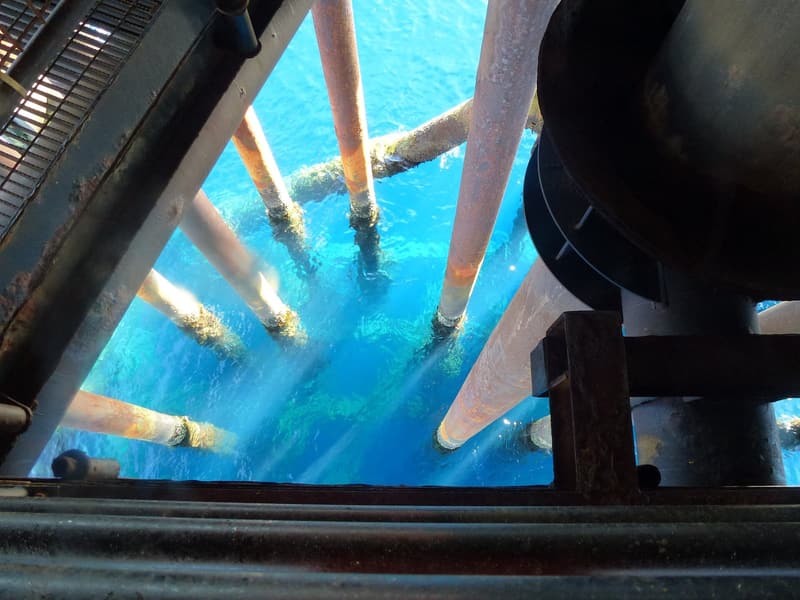
Representative photo · Photo: FrogsLegs71 / Wikimedia Commons, CC BY-SA 3.0
Representative photo · Photo: FrogsLegs71 / Wikimedia Commons, CC BY-SA 3.0
Vedanta chairman Anil Agarwal compares India's oil and gas potential to Guyana's energy boom, announcing a multi-billion dollar investment plan.
Vedanta chairman Anil Agarwal has drawn strong parallels between India's untapped oil and gas potential and Guyana's rapid energy boom. Speaking on domestic resource development, the industrialist announced a significant financial commitment aimed at substantially boosting daily hydrocarbon output.
The planned capital deployment totals five billion dollars, with the explicit goal of elevating production capacity to between 300,000 and 500,000 barrels per day. This initiative seeks to address a critical economic vulnerability for a nation that currently imports nearly ninety percent of its total petroleum requirements.
Vedanta plans a five billion dollar investment to significantly boost domestic oil and gas production.
Despite ambitious expansion targets, the industrialist voiced concerns regarding regulatory consistency and state actions within the sector. Specifically, criticism was directed at the takeover of Vedanta's producing Cambay offshore block by the state-owned Oil and Natural Gas Corporation. Warnings were issued that such administrative interventions risk damaging investor sentiment.
Industry leaders maintain that predictable and stable governmental frameworks remain essential to encourage private participation, accelerate domestic extraction, and alleviate heavy reliance on foreign energy suppliers.
This strategic push highlights ongoing debates over energy security and private sector participation in South Asia's largest economy. For domestic observers, policy stability directly influences foreign and domestic capital allocation in vital resource sectors.
Changes in administrative control over producing assets can heavily sway investor confidence, ultimately dictating how quickly the nation can reduce its massive import dependency.