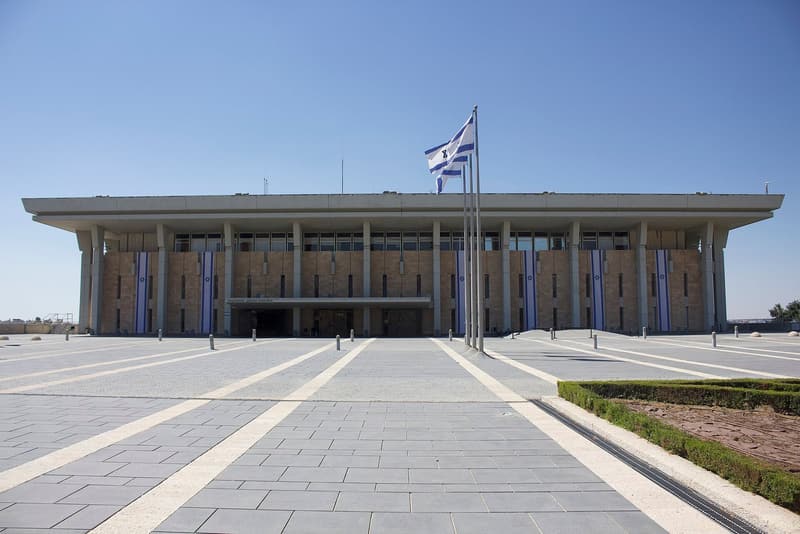
Israeli Parliament Elects New Speaker Backed by Netanyahu Opponents
Representative photo · Photo: Clema12 / Wikimedia Commons, CC BY-SA 4.0
The Israeli parliament has elected Matan Kahana as its new speaker in a key vote, marking a major step for opponents seeking to reverse outgoing policies.
The Israeli parliament elected a new speaker on Tuesday, marking a critical step toward rolling back policies enacted by the outgoing government led by Prime Minister Benjamin Netanyahu. Matan Kahana secured the position with 66 votes in the 120-member chamber. He received backing from Jewish-led opposition parties as well as Arab-led parties during a stormy debate that lasted over seven hours. Meanwhile, Ofir Katz, the candidate supported by Netanyahu's bloc, garnered 52 votes.
Matan Kahana is an ally of Gadi Eisenkot, the party leader currently attempting to form a new government and replace Netanyahu. The vote followed parliamentary elections held on October 27, in which Netanyahu and his allies lost their majority. Following the election, Israel's president tasked Eisenkot with trying to form a coalition government, granting him up to five additional weeks to secure the necessary alliances.
Ahead of the vote, Eisenkot described the appointment as a worthy democratic move reflecting an absolute majority favoring change. Eisenkot's bloc has pledged to undo several of Netanyahu's most contentious policies. Last week, the bloc and unaffiliated Arab-led parties utilized their majority in the newly sworn-in Knesset to introduce multiple bills, including measures to establish term limits for the prime minister, create a government-led inquiry into the October 7, 2023 attacks, and reverse judicial power limits.
Matan Kahana's election gives Israel's opposition bloc a major legislative advantage.
According to Assaf Shapira from the Israel Democracy Institute, Kahana gives the opposition a significant advantage because the Knesset speaker can greatly accelerate or decelerate the legislative process. Eisenkot and his allies face pressure to advance their priorities quickly. Roy Folkman, a member of Eisenkot’s Yashar party, currently heads the temporary committee determining much of the Knesset's agenda.
If Eisenkot fails to form a coalition, the Israeli president could turn to Netanyahu, likely returning control of the committee to the Likud party. Although opponents would maintain a majority, momentum could stall and cause delays in legislation. Furthermore, complex chamber procedures require bills to undergo multiple readings and committee considerations, creating additional hurdles.
Shapira noted that the opposition will likely prioritize repealing laws that increased government influence over judicial appointments and weakened the attorney general. Establishing an investigation into the October 7 attacks is also anticipated, as opponents argue Netanyahu has previously avoided accountability and blocked independent probes into the military and intelligence failures of Israel's deadliest day.
Why it matters
The appointment of a new Knesset speaker alters the legislative landscape in Israel, granting the opposition a distinct advantage as political negotiations continue. This shift impacts governance, judicial oversight, and potential inquiries into past security failures.
Sources
More like this

Trump Nominates Chris LaNeve as Permanent US Army Chief
US Fed Governor Lisa Cook Refuses to Attend White House Hearing
US Under Fire Over Transparency in Handling Billions in Venezuelan Oil Revenue